
Harry Ford’s First MLB Home Run: Five Years in the Making
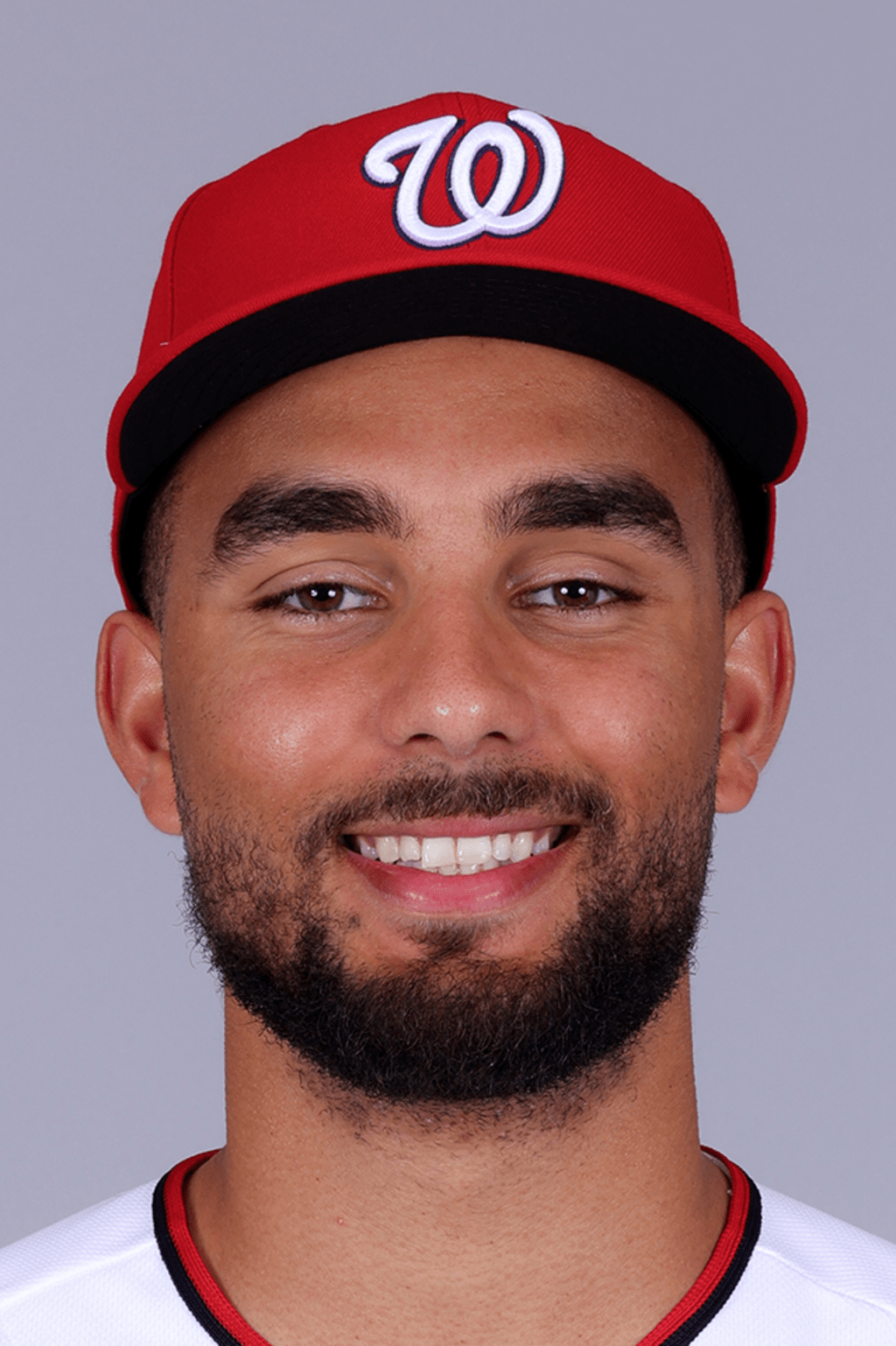
Harry Ford debuted for the Washington Nationals on July 17 with a home run — and the story of how he got there is what every young catcher needs to hear.
In the fifth inning on July 17, 2026, Harry Ford stepped in against Oakland Athletics reliever Justin Sterner and did something he had waited five years to do. He hit a home run.
The ball cleared left-center field at Sutter Health Park. It was a fifth-inning shot that extended the Nationals’ lead. The Nationals won 23-4.
Ford finished 2-for-5 with three RBI, three runs scored, and a walk. He was catching for the first time as a National. He had gotten the call three days earlier, after backup catcher Drew Millas went down with an injury.
Ford is 23 years old, drafted by the Seattle Mariners in 2021 out of Kennesaw Mountain High School in Georgia. He spent five years in the minor leagues — learning to receive, building his blocking, earning pitchers’ trust. He posted a .370 on-base percentage in 58 Triple-A games this season. In December 2025, Seattle traded him to Washington for a relief pitcher. So Ford arrived carrying the weight of someone the Nationals see as a cornerstone, not just a fill-in.
MLB Pipeline ranks him the No. 42 overall prospect in baseball. His coaches point to his plate discipline and his leadership. His catch-and-throw game is still developing — the footwork, the pop time, the arm. He knows it. He is working on it.
But on July 17, none of that was the story. The story was the first swing that mattered.
Editorial Note: Kids, the majority of professional players are 22+ years old. If you can get into college, take the gift! Use your college years to grow stronger, make lifelong friends, build a community, find a like minded partner ;-). Mr. Ford, We are all looking up at you. Great Accomplishment! No Doubt!
What a catcher can learn from this
The position of catcher has the longest apprenticeship in baseball — the longest learning period before a player is trusted to run a staff.
Ford was ranked among the top 12 players in his entire draft class. He still spent five full years in the minors. Catching takes time not because catchers are slow learners, but because the position demands so much at once: game-calling, receiving, blocking, throwing, leadership, and plate discipline. Each skill builds on the one before it.
When you feel stuck behind the plate — when the progress seems invisible — that is the position working on you. Ford did not skip the process. Neither will you.
The phone eventually rings for the catcher who stays ready.
Try this at your next practice
- The “run a staff” drill. Pick three pitchers in your bullpen session. Before each pitch, call the pitch type and location out loud to the pitcher before the sign. Practice running the game — not just receiving it. This is the skill Ford spent five years building.
- OBP tracking. After your next scrimmage, track your at-bats for plate discipline — not just hits, but walks earned and pitches seen per at-bat. Catchers who see many pitches behind the plate can use that same patience when they hit. Keep a personal log for two weeks.
- Blocking from the receive position. Set up in your normal receiving stance. Have a teammate roll balls into the dirt from ten feet away. The drill: receive first, block second — never drop what you can catch. This trains the hands to be soft before they are decisive, which is exactly what Ford developed over five minor-league years.
Sources: Ford hits first MLB HR in Nationals debut (MLB.com) · Harry Ford set for Nationals debut (Yahoo Sports) · Nationals’ Harry Ford: Belts first career homer (CBS Sports) · Harry Ford scouting report (The Nats Report)