
Cal Raleigh’s Swing Breakdown in 2026
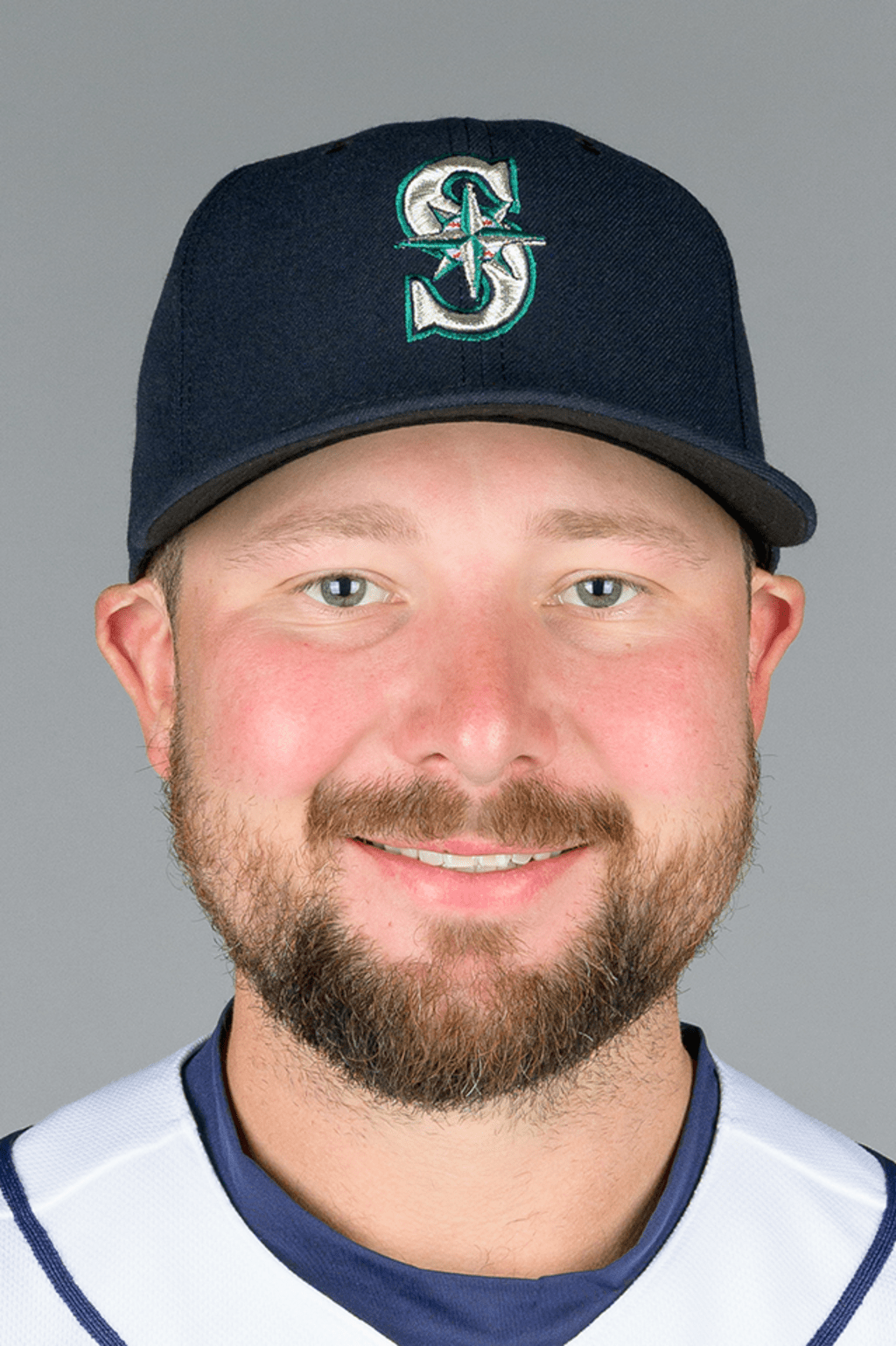
▶ Watch this story in under a minute — or read on.
Cal Raleigh’s 2026 mechanical breakdown shows why mechanics need maintenance at every level — even after a 60-homer season.
The numbers from 2025 still feel unreal.
Cal Raleigh hit 60 home runs last year — the most a catcher has ever hit in a single season. He broke Salvador Perez’s record of 48. Then he passed Mickey Mantle’s switch-hitter mark of 54. Then he kept going. By the time the Seattle Mariners closed out their season, Raleigh had rewritten what was possible at the position. He won the Silver Slugger — the first catcher in Mariners franchise history to earn it. He won the AL Home Run Derby, the first catcher ever to do that too. The MLBPA voted him AL Outstanding Player. He finished second in MVP voting and posted a 169 OPS+, fourth highest by a catcher in MLB history.
In 2026, pitchers figured something out.
Through 84 games this season, Raleigh’s numbers look nothing like the player who rewrote the record books.
| AVG | OBP | SLG | HR | RBI | OPS | OPS+ | |
|---|---|---|---|---|---|---|---|
| 2025 (full season) | .247 | .359 | .589 | 60 | 125 | .948 | 169 |
| 2026 (84 games) | .163 | .270 | .307 | 12 | 43 | .578 | — |
The OPS drop is jarring on its own. But the number that tells the real story is smaller: his swing-and-miss rate on four-seam fastballs. In 2025, Raleigh whiffed on 25.2% of the fastballs he saw. Through the first weeks of 2026, that number had climbed to 50%. Pitchers noticed and kept attacking him with elevated velocity all season.
Statcast data shows why. His wOBA on 95-plus mph fastballs fell to .218 — the worst of his career. When a number like that shows up in the league’s shared analytics, the game adjusts.
The reason is mechanical. Raleigh’s front hip has been opening slightly too early, and his hands drop through the swing. On their own, those are small flaws. But they cascade. The early hip rotation disrupts the timing chain before the ball arrives. Then the dropping hands compound the problem. Against a 95-mph fastball, that combination leaves almost no margin. The result is late contact and mis-hits on pitches he used to barrel.
This is the part of the story that doesn’t make headlines. A world-record season didn’t change how baseball works. The game adapts. A small mechanical drift is enough to turn a historic hitter into a below-average one.
What a catcher can learn from this
Mechanics are never solved. They are maintained.
In 2026, Raleigh’s swing broke down because two small flaws stacked on top of each other. That is not a story about talent running out. It is a story about maintenance. And the two flaws in question are ones every youth catcher has heard about.
The front hip opening too early is a problem every hitter knows, even without a name for it. When the hip rotates before contact, the hands follow, the barrel flattens, and whatever pitch is on the way wins. The cue coaches use is “stay closed” — keep the hip loaded until the swing actually calls for it.
The hands-dropping issue is equally common. A bat path that starts downward means the hitter is chasing the ball instead of meeting it out front. Short, level hands give the barrel a chance to catch the pitch before it gets past you.
These are not big-league secrets. Raleigh’s coaches are working the same cues right now that youth coaches give at every level. That is the point. At your next practice, check your hip and your hands. Not because your swing broke down — but because mechanics need checking whether they feel right or not.
That is what the best offensive catcher in baseball history is doing right now.
Try this at your next practice
- Stay-closed hip drill. Stand in your stance with a partner holding a resistance band around your lead hip. Take practice swings while the band provides light resistance against early rotation. You’ll feel immediately when your hip is opening too soon. The goal is to train your hip to stay loaded until you actually drive through contact.
- Tee drill: hands-first path. Set a tee at inner-half height and place a second object (a batting practice bucket or cone) just inside and slightly in front of the tee — just out of the barrel’s path. The goal is to fire your hands directly to the ball without dropping the barrel around the obstacle. If you knock it, your path started downward. This isolates the hands-dropping flaw in three swings.
- Video one at-bat per week. Raleigh’s coaches identified his hip and hands problem because they had footage to compare against his 2025 mechanics. You don’t need Statcast. A phone on a tripod behind the fence during a game or BP session gives you the same compare-and-contrast. Watch your front hip and your hand path. Small drifts become obvious on replay that your body never feels in real time.
Sources: Breaking down Cal Raleigh’s first 55 plate appearances of 2026 (ESPN) · Breaking down Cal Raleigh’s offensive slump (MLB.com) · What’s Going Wrong for Cal Raleigh? (Just Baseball) · Cal Raleigh Stats (FanGraphs) · Cal Raleigh 60 HR record history (ESPN).