Ryan Jeffers Returns from Hamate Surgery
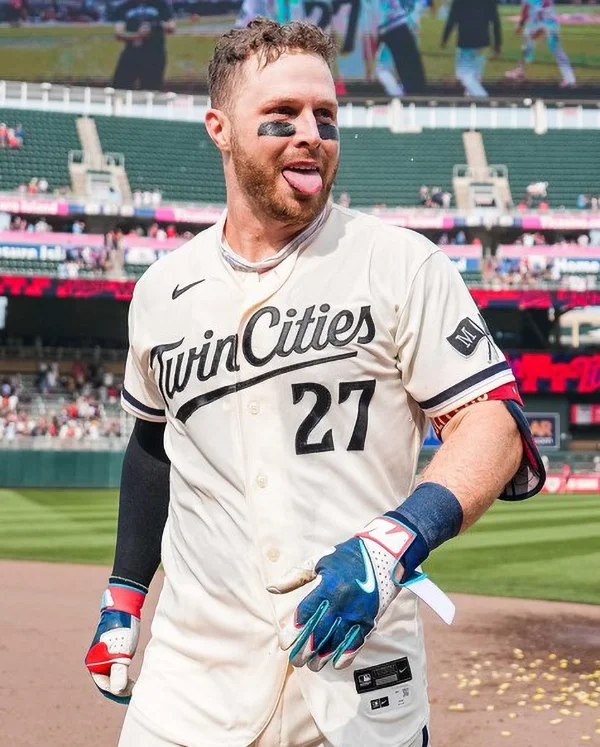
Six weeks after hamate surgery, the Twins catcher returned to a rehab assignment — and his equal walk and strikeout rates are the plate-discipline lesson every youth catcher should study.
Six weeks ago, Ryan Jeffers was in a Los Angeles surgery suite. On July 3rd, he stepped into the batter’s box for the St. Paul Saints and went 2-for-4.
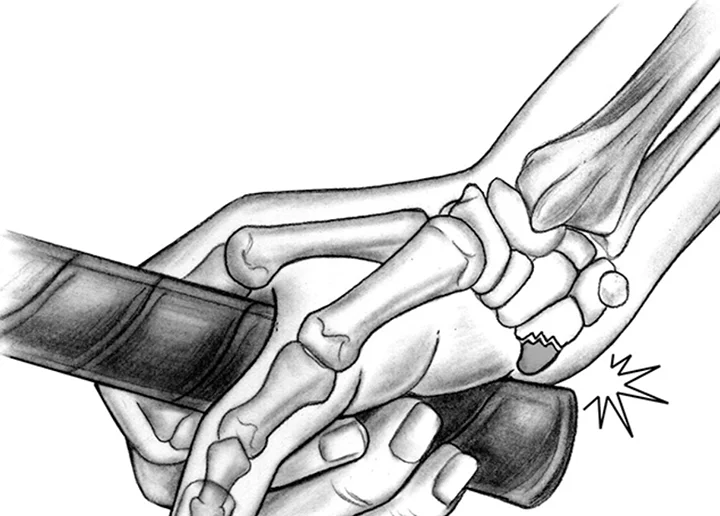
The Minnesota Twins catcher fractured his left hamate bone on May 18th. That is the small hook-shaped bone in the heel of the hand — exactly where a bat handle presses when you swing. A crack there does not hurt until you actually take a swing. Then it does. Jeffers required surgery with Dr. Steven Shin and spent almost seven weeks on the shelf.
Now he is back on a rehab assignment, working his way toward a July return.
Before the injury, Jeffers was one of the best offensive catchers in the game. In 37 games, he hit .295/.408/.541 with 7 home runs and 26 RBI. Those numbers put him in conversations reserved for the game’s elite catchers.
But the number that separates him is not the slugging percentage. It is a single line buried in the rate stats: a 15.6% walk rate and a 15.6% strikeout rate. Equal. In 37 games, Ryan Jeffers walked exactly as often as he struck out. That kind of balance is rare at any position. Behind the plate, it is almost unheard of.
The Twins are 43-47 and sitting third in the AL Central, trying to claw their way back into contention. They are also carrying a deadline decision: Jeffers is in the last year of a 1-year, $6.7 million contract and will be a free agent after 2026. Every team shopping for a proven catcher this summer has been watching the St. Paul Saints box scores.
Manager Derek Shelton — the kind of man who makes every answer sound like a weather report — kept it plain: “We’ll go day-by-day depending on how he feels and where he’s at.”
What a catcher can learn from this
Hamate fractures are among the more treacherous injuries a hitter can face. The standard recovery is six to eight weeks. Jeffers was back in a lineup in six. That is not a surprise to anyone who watched him work a strike zone all spring. It takes equanimity to do what Jeffers does at the plate — a settled, even calm that does not rattle when the count goes wrong — and that same steadiness carries into a rehab.
Those numbers do not happen by accident. They happen because a hitter is calm enough, patient enough, and prepared enough to recognize the difference between a pitch he can drive and a pitch that is designed to fool him. He lays off the second kind. He hammers the first.
That is not a physical gift. It is a habit. Any catcher can build it, at any level, with one simple commitment at the plate: do not give the at-bat away.
Jeffers didn’t give his season away either. He went to Los Angeles, had the surgery, started his reps, and was back in a batter’s box in six weeks. Now the whole American League is watching to see what he does next.
You could be doing the same thing — one pitch at a time.
Try this at your next practice
- The Zone Journal drill. After each live at-bat or round of BP, write down three pitches: one you swung at and shouldn’t have, one you laid off correctly, and one you drove. Jeffers’ equal walk and strikeout rates come from knowing which is which — this drill builds that recognition over weeks of reps.
- Take-and-hit pitch selection. Set up in the box and have a coach throw 10 pitches. Your job: take any pitch out of the zone, no matter how hittable it looks, and swing at every pitch in the zone. No exceptions. The goal is to sharpen the mental line between “my pitch” and “their pitch.” One session won’t fix plate discipline — but this drill makes the strike zone a conscious decision instead of a reaction.
- Count-based patience practice. Call your own counts during cage work: 0-0, 1-0, 2-0, 3-0 (take). Then flip to hitter’s counts (1-2, 0-2) where you need to protect the plate. Jeffers’ plate stats are consistent across all counts — that consistency is built by practicing both ends of the count deliberately, not just hacking in BP.
Sources: Ryan Jeffers begins rehab assignment — MLB.com | Ryan Jeffers contract — Spotrac | Twins trade deadline — Athlon Sports
Yospur, G. L. (2018, September). Hook of Hamate fracture in Mesa, Chandler, Gilbert, Tempe, and Phoenix [Image]. Gerald L. Yospur, M.D. Plastic Surgery. https://www.dryospur.com/wp-content/uploads/2018/09/07b_Figure_32.jpg