
How to Break In a Catcher’s Mitt Without Ruining It
▶ Watch this story in under a minute — or read on.
You break in a catcher’s mitt with reps, not shortcuts. Work the pocket by hand, play catch every day, and mallet the spot where the ball lands. Add a thin coat of conditioner only if the maker allows it. Premium steerhide takes two to four weeks that way. In fact, every faster method buys you a soft mitt now and a shapeless one by July. That includes the oven, the microwave, steam, and a soak in oil. So this guide covers the method that works, what to skip, and how the three big premium mitts differ.
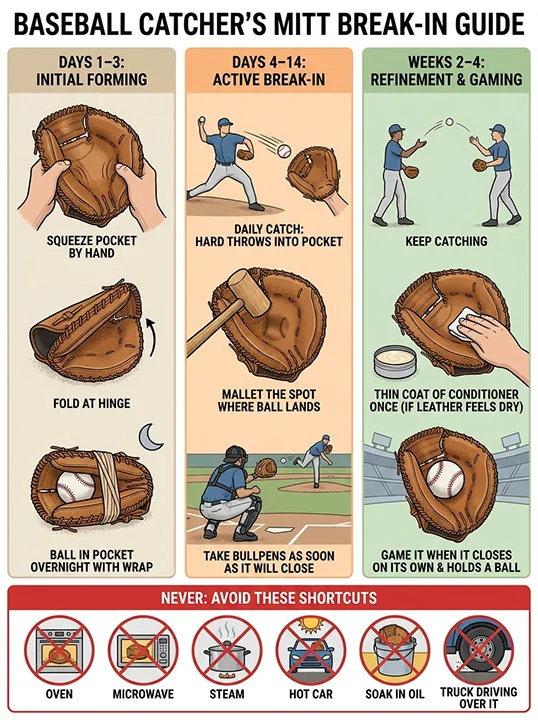
The short version
- Days 1–3: squeeze the pocket by hand and fold the mitt at the hinge. Then put a ball in the pocket overnight with a wrap around it.
- Days 4–14: daily catch. First, have someone throw hard into the pocket, then mallet the spot where the ball lands. Take bullpens in it as soon as it will close.
- Weeks 2–4: keep catching. Then add a thin coat of conditioner once if the leather feels dry. Game it when it closes on its own and holds a ball you don’t squeeze.
- Never: oven, microwave, steam, hot car, a soak in oil, or a truck driving over it.
Why the reps method wins
A catcher’s mitt is a shape, not a glove. The pocket, the hinge, and the depth of the fold are what stop a 92-mph fastball from ricocheting back out. So break-in is the process of teaching the leather that shape. And the leather remembers whatever taught it.
Reps teach it your shape. The ball lands where you catch, so the pocket forms where you catch. Heat, on the other hand, teaches it nothing. Instead, it softens every fiber at once. So the mitt closes on day one, then keeps closing in new places all season. As a result, that is the mitt that flops shut early and spits the ball out on a foul tip.
The reason premium leather takes longer is the same reason it lasts. Full-grain steerhide is dense, and that density is the whole point of paying for it. Our leather explainer decodes each brand’s grade. Dense leather is slow to teach. But it also holds the lesson for years instead of months.
How to break in a catcher’s mitt, step by step
Step 1 — Work the hinge and pocket by hand
Out of the box, spend ten minutes a day on the mitt. Fold it closed at the hinge and press your fist into the pocket. Also, fold it the way you’ll close it on a pitch, thumb to pinky, not flat like a book. This is boring work. Still, it matters most for the Heart of the Hide, because that leather starts firm enough to fight you.
Step 2 — Ball, wrap, overnight
Put a baseball deep in the pocket and close the mitt around it. Then hold it shut with a glove wrap or a wide rubber band. Leave it that way overnight, and every night for the first two weeks. This holds the fold you made by hand, so the leather sets between sessions.
Step 3 — Play catch, every day
Nothing beats a hard throw into the pocket. Have a partner throw as firm as they can, aiming for the pocket, for fifteen minutes. Meanwhile, catch it the way you catch a pitch, thumb up and pocket square to the ball. Then move to bullpens as soon as the mitt will close on a ball. Because live pitching does more shaping in one session than a week of hand work.
Step 4 — Mallet the landing spot
After catch, use a glove mallet to pound the exact spot where the ball keeps landing. Twenty or thirty strikes is enough. If you don’t own a mallet, a bat handle wrapped in a towel works. The point is to compress the leather where you want the pocket. It is not to beat the whole mitt soft.
Step 5 — Condition lightly, if at all
If the leather feels dry after a week or two, rub in a thin coat of glove conditioner with a cloth. Focus on the pocket and hinge. Thin means you can barely see it. For example, Wilson says the A2000 needs no oil at all. Meanwhile, one CM3000 reviewer warns that oil stains the tan pocket leather. So when in doubt, skip it. Dry leather can be conditioned later, but oil-heavy leather cannot be dried out.
Step 6 — Game it when it closes on its own
The mitt is ready when it closes around a ball you don’t squeeze and holds it. Still, it won’t feel like your old mitt yet. Instead, it will feel like a mitt that catches everything. The last ten percent of softness comes from a season of innings, not from more work at the kitchen table.
Break-in by mitt: Heart of the Hide, A2K, Pro Elite
The three premium mitts we review most take the same method, but they reward it on different timelines. Owner reports and reviewer consensus put them here.
| Mitt | Leather | Owner-reported break-in | What to know |
|---|---|---|---|
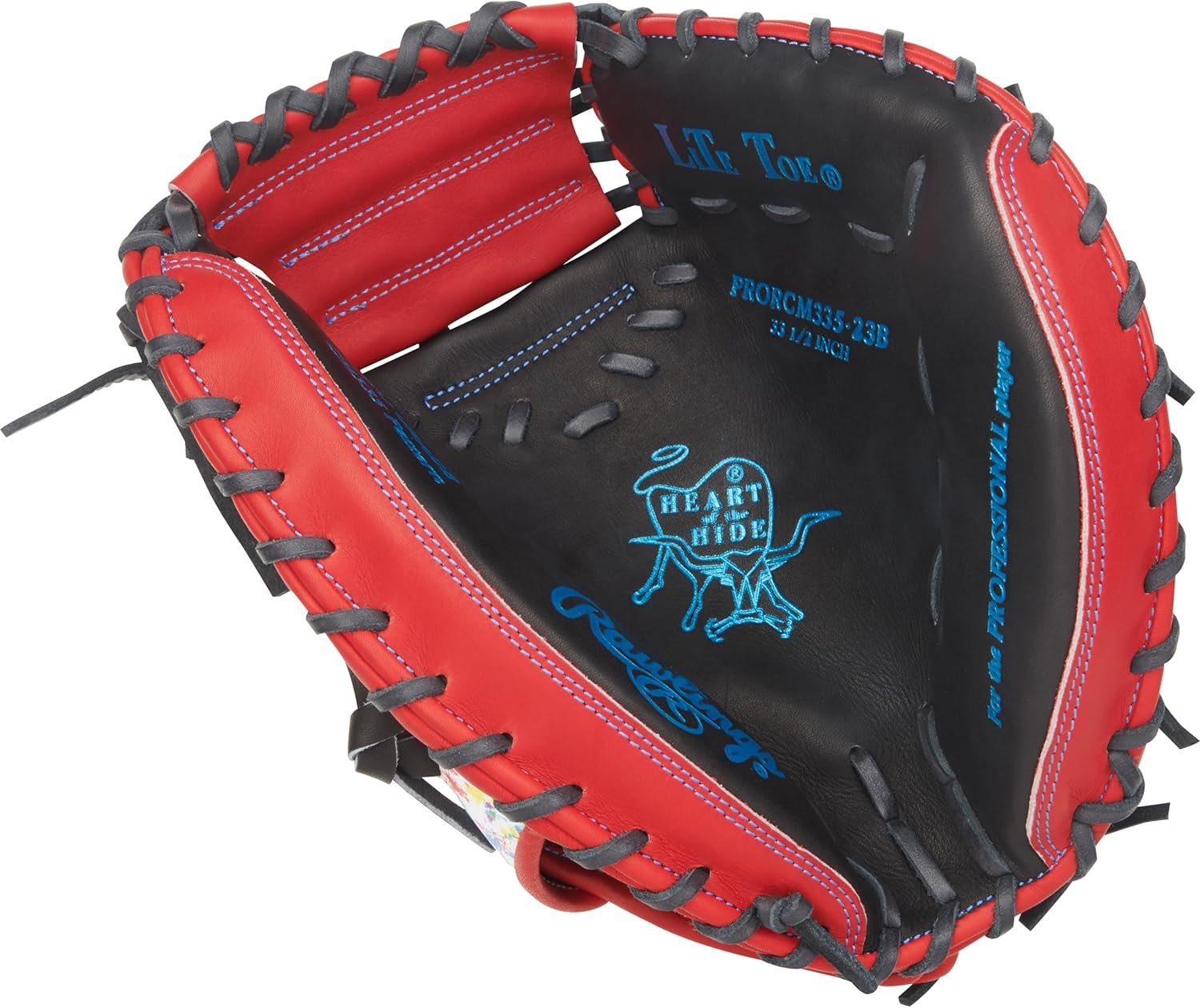
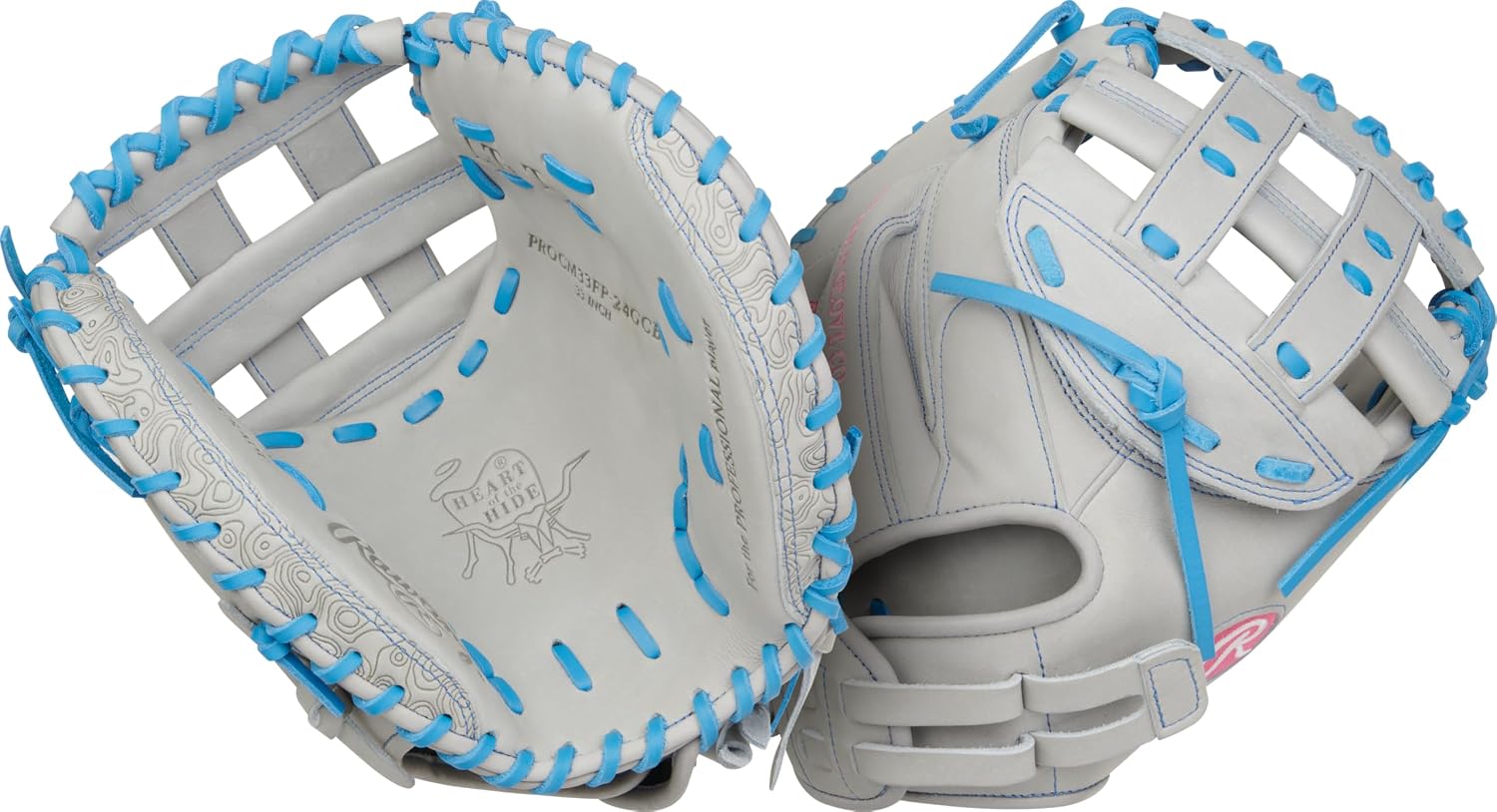
| Rawlings Heart of the Hide | Full-grain steerhide, sold as “traditional break-in” | Roughly two weeks of oil, catch and mallet work | Firmest of the three out of the box. Do the hand work in step 1 every day. |
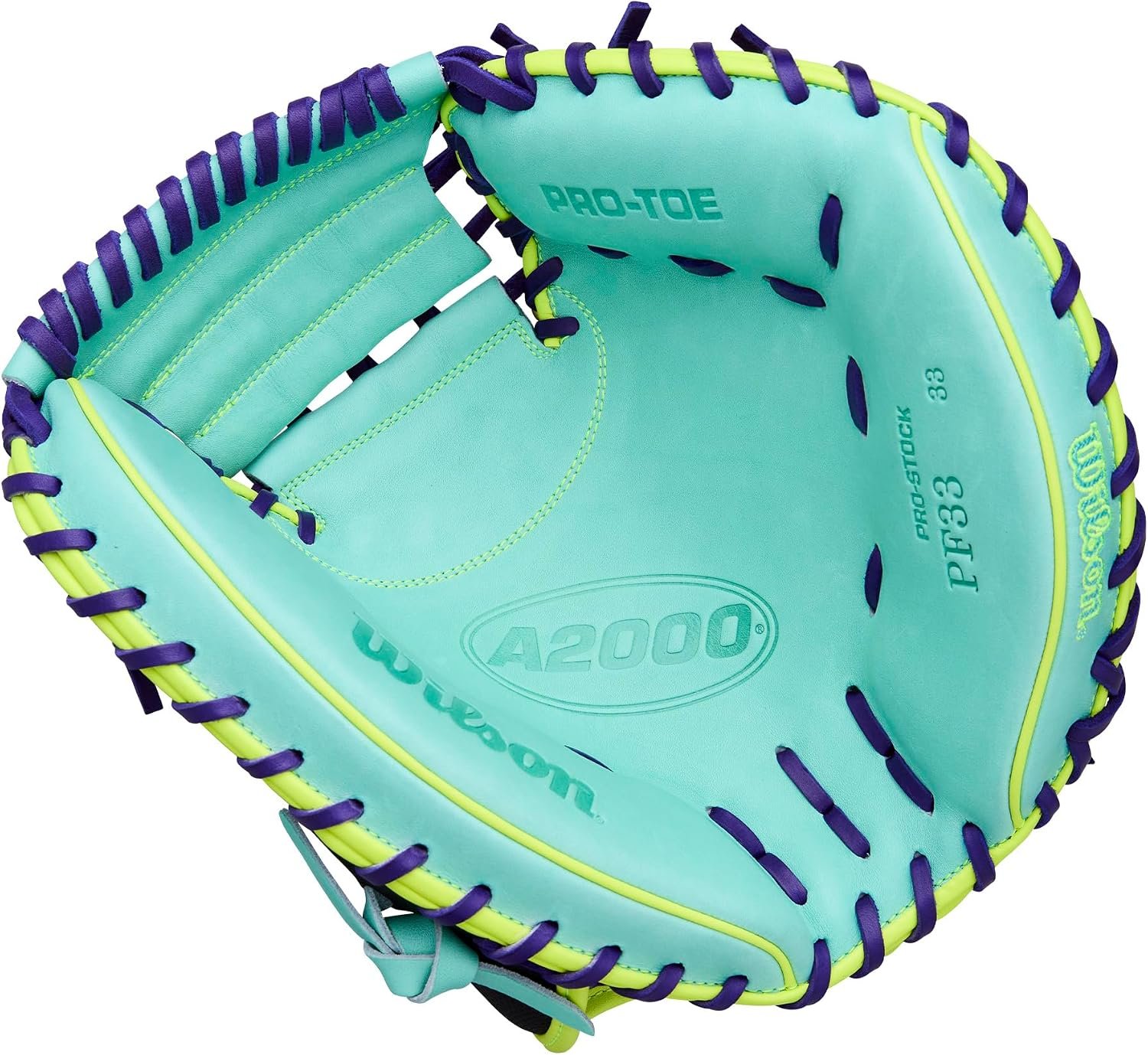
| Wilson A2K | Pro Stock Select steerhide | Comparable to the others despite feeling stiffer | Wilson hand-shapes the pocket for hours before it ships, so the structure is there on day one. Still needs catch time to soften. |
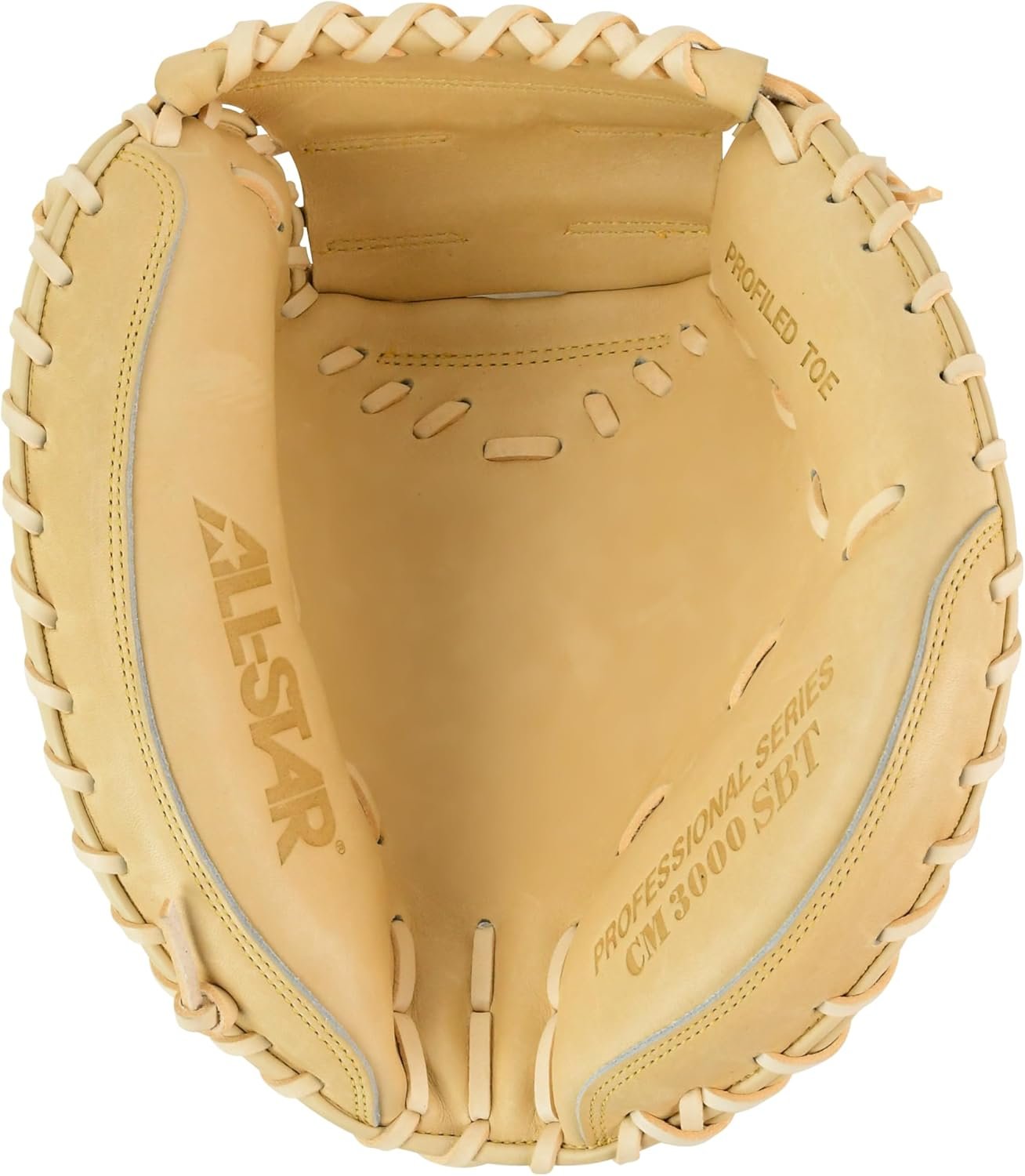
| All-Star Pro Elite CM3000 | Japanese-tanned steerhide | About three weeks with regular use | No oil, no microwave. Fast for leather this dense; a reviewer notes oil can stain the tan pocket. |
The Wilson A2000 is the easiest of the premium group. It uses Pro Stock leather with no oiling required, and owners describe a shorter break-in than the A2K or Heart of the Hide. So if two to four weeks is more patience than this season has, that is a real reason to pick it. Our premium catcher’s mitt guide weighs break-in against the other four things we score.
What ruins a catcher’s mitt
Every one of these works, in the sense that the mitt gets soft. But every one of them also costs you the pocket.
- Oven or microwave. Cooks the fibers and dries the natural oils out. So the mitt closes today and collapses by midseason.
- Steam. Slower version of the same damage. Some shops offer it as a service, but you are paying to shorten the mitt’s life.
- Soaking in oil. Adds weight, softens everything at once, and the leather never firms back up. A thin coat is conditioning, while a soak is a mistake.
- The hot car. A trunk in July is an oven on a timer. So bring the bag inside.
- Driving over it. Flattens the pocket you were trying to build. It is old advice, and it is still wrong.
- Wearing it flat. Break it in the way you catch, folded at the hinge. Otherwise it learns a fold you’ll spend a season fighting.
Break-in for youth and fastpitch mitts
The method is the same, but the timeline is shorter. Most youth mitts and mid-tier lines use oil-treated cowhide that arrives close to game-ready. So a week of catch and a ball in the pocket overnight is usually enough. If a young catcher’s mitt won’t close at all after a week, it is probably too big, not too stiff. Check the catcher’s mitt size chart before you break out the mallet.
Fastpitch mitts are built with a deeper, softer pocket for the 12-inch ball. But the leather on premium fastpitch lines is the same steerhide as the baseball versions. So expect the same two-to-four-week window on a Heart of the Hide fastpitch mitt, and the same rules: reps, a ball overnight, no heat.
Keeping the pocket once you have it
Store the mitt closed around a ball, in a dry gear bag, out of the sun. Wipe dirt off after games with a damp cloth. Then condition lightly two or three times a season, more if it lives in a dry climate. Finally, restring a loose lace before it snaps. A mitt with tight laces holds its shape, while a mitt with a broken web lace loses it in a weekend.
If your current mitt already went soft from a shortcut, the honest fix is a new mitt. And the honest advice is to pick a tier you’ll actually break in. Our budget catcher’s mitts arrive nearly game-ready for a rec season. The premium group above rewards the patience, but only if you catch enough innings to use it.
FAQs
How long does it take to break in a catcher’s mitt?
Two to four weeks of regular use for a premium steerhide mitt, and a few days for a factory-softened mid-tier one. Owner reports put the All-Star Pro Elite CM3000 at about three weeks. The Rawlings Heart of the Hide takes roughly two weeks of oil, catch and mallet work. The Wilson A2K lands in a similar window despite feeling stiffer, because Wilson pre-shapes the pocket at the factory.
Should you oil a new catcher’s mitt?
Lightly, and only if the maker allows it. Work a thin coat of glove conditioner into the pocket and hinge, never a soak. Wilson says the A2000 needs no oil at all. Meanwhile, at least one CM3000 reviewer warns that oil stains the tan pocket leather. Too much oil adds weight, and it softens the leather past the point where it holds a pocket.
Can you break in a catcher’s mitt in the microwave or oven?
No. Heat cooks the fibers, and a cooked pocket goes soft and shapeless within a season. Steaming does the same thing, only more slowly. Every shortcut that softens a mitt in an afternoon takes that structure out of the leather for good. That is why the reps method exists in the first place.
What is the hardest baseball glove to break in?
Among premium catcher’s mitts, the Rawlings Heart of the Hide is the firmest out of the box. The Wilson A2K is close behind. After all, Rawlings sells the mitt as “traditional break-in” on purpose. The A2K feels harder in the hand. Yet it reaches game-ready in comparable time, because of the hours of hand-shaping Wilson puts in before it ships.
How do you keep a catcher’s mitt shaped between games?
Store it with a ball in the pocket and the mitt closed around it, in a dry bag. Never leave it in a hot trunk. Meanwhile, a glove wrap or a wide band holds the fold overnight. Wipe dirt off after games and condition lightly a few times a season. Then the pocket you built during break-in stays the pocket you catch with.
Bottom line
In short, break a catcher’s mitt in with reps: hand work, a ball overnight, daily catch, a mallet on the landing spot, and a light touch with conditioner. Give premium leather two to four weeks, and it gives you seasons back. When you are picking the mitt that’s worth the wait, start with the premium mitts worth comparing. Or step back to the full catcher’s mitts guide.