
Cal Raleigh: The Swing That Came Back in August
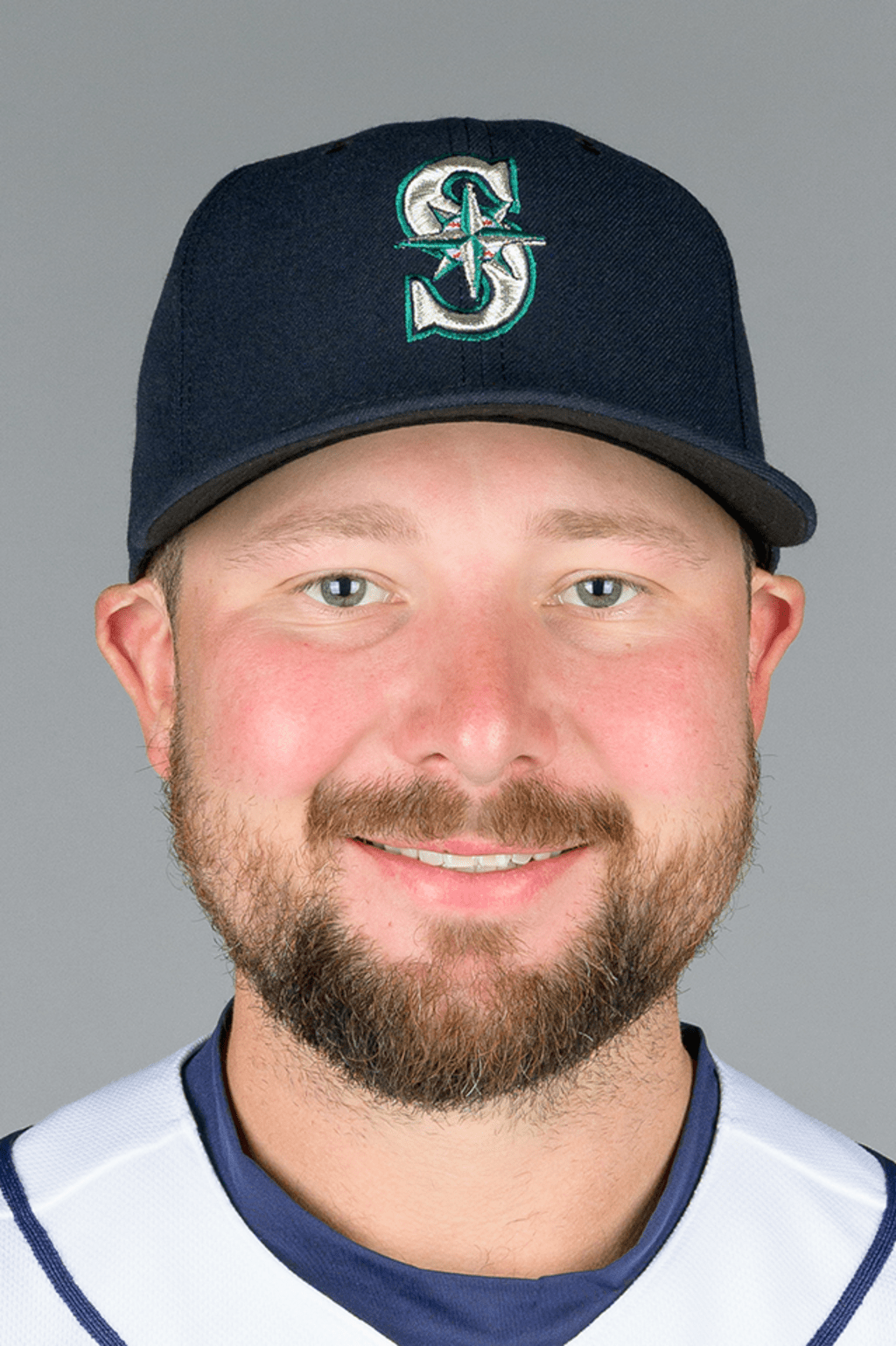
Sixty home runs in 2025. A .115 August in 2026. Then a three-run homer — and two nights later, three in one game.
Cal Raleigh hit 60 home runs in 2025, the most any catcher has ever hit in a season. He broke Salvador Perez’s record of 48. Then he passed Mickey Mantle’s switch-hitter mark of 54, and he kept going. He won the Silver Slugger, the first Mariners catcher ever to earn it. He won the AL Home Run Derby, the first catcher ever to do that too. The MLBPA voted him the league’s Outstanding Player, and he finished second in MVP voting.
Then 2026 arrived, and the league adjusted.
| AVG | OBP | SLG | HR | RBI | OPS | OPS+ | |
|---|---|---|---|---|---|---|---|
| 2025 (full season) | .247 | .359 | .589 | 60 | 125 | .948 | 169 |
| 2026 (through 84 games) | .163 | .270 | .307 | 12 | 43 | .578 | — |
OPS+ measures a hitter against the whole league, where 100 is average. A 169 is the fourth-highest any catcher has ever posted.
The diagnosis
We covered the breakdown on August 9, and the cause was mechanical rather than physical. Raleigh’s front hip had started opening slightly too early. His hands dropped through the swing. Neither flaw is exotic, and every youth coach in the country has a cue for both. But the two of them stack. The early hip breaks the timing chain before the ball arrives, and the dropping hands finish the job.
Against a 95-mph fastball, that combination leaves almost no margin. His swing-and-miss rate on four-seamers climbed from 25.2 percent in 2025 to 50 percent. His wOBA against 95-plus velocity fell to .218, the worst of his career. Pitchers read those numbers too, so they kept climbing the ladder with heat.
By August the drought had a number on it. Raleigh was batting .115 for the month. He had been dropped in the batting order. Half of his August hits were home runs, which is another way of saying the singles had vanished.
Friday: one at-bat
The Cubs came to Seattle on August 22 swinging. Alex Bregman homered twice. Pete Crow-Armstrong went deep, and Ian Happ added one more. Seattle sat 4.5 games back in the AL West and badly needed the game.
Raleigh stepped in with runners on base. His season average was .157, but the average was not the tool he carried to the box. His hands were. He hit a three-run home run, his 14th of the year.
That swing did not repair his mechanics. It did not move his August average either. Still, it put three runs up when the Mariners had to have them, and Seattle won 6-5 after Leo Rivas singled home the winner in the tenth.
Monday: the proof
Zack Wheeler started for Philadelphia two nights later. The Phillies arrived at T-Mobile Park on a nine-game winning streak, the kind of run that feeds on itself.
Julio Rodriguez opened the first inning with a three-run blast that capped a five-run rally. Raleigh followed with a two-run shot of his own. In the fifth, he and Cole Young went back-to-back, and Wheeler was gone before the sixth. Then a reliever named Chase Shugart came on in the seventh, and Raleigh drove one to the same place he had put the other two.
All three went to right field. All three came from his left-handed stance.
That detail is the whole story, because right field is his pull side, and an early front hip is exactly what keeps a left-handed hitter off his pull side. Three straight to right means the lead hip stayed closed until the hands fired. His body remembered the pattern, and the work he put in between the games is what brought it back. Thanks Coach!
Seattle won 9-2, and the Phillies’ streak ended. No Mariner had hit three home runs in a game at T-Mobile Park in the ballpark’s 27-year history. The last one to do it at home was Edgar Martinez, on May 18, 1999, at the Kingdome — and the Kingdome closed that summer. Raleigh is the 13th Mariner ever to hit three in a game, and his season total moved to 17.
What the three days actually prove
The August 9 diagnosis and the three-homer night sat just over two weeks apart. In that span Raleigh did not overhaul his swing or wait for the slump to lift on its own. Instead, he kept working the one flaw that had been named, and eventually the flaw let go.
That is the part worth carrying if you are the catcher grinding through a bad month. Mechanics are never solved; they are maintained. A season average counts everything — the slumps, the adjustments, and the nights the timing cooperates — so Raleigh’s average will not remember August 24. But the swing remembers. Work the cue that matches your flaw, and the swing comes back to you the same way it came back to him.
Try this at your next practice
- Pull-field tee drill. Set the tee on the inner third of the plate and drive every ball to your pull side. Don’t aim — keep your lead hip closed until your hands fire. If the ball drifts the other way, the hip opened early. Ten to fifteen slow, deliberate reps a session is plenty.
- Track your exit. After every swing, write down which way the ball went and whether your hip stayed closed. That is the awareness Raleigh found again between August 22 and August 24.
- One-pitch focus round. After a rough stretch, take a round of BP with a single goal: hit this pitch hard. Not the next ten. This one. A season is long, but an at-bat is one decision, and you win them back one at a time. Sweat the gear and never fear.
Sources: CatchersHome coverage of Cal Raleigh’s swing breakdown (August 9), his three-run homer against the Cubs (August 22), and his three-homer game against the Phillies (August 24, 2026).