
Shea Langeliers Tears Meniscus, Season Over
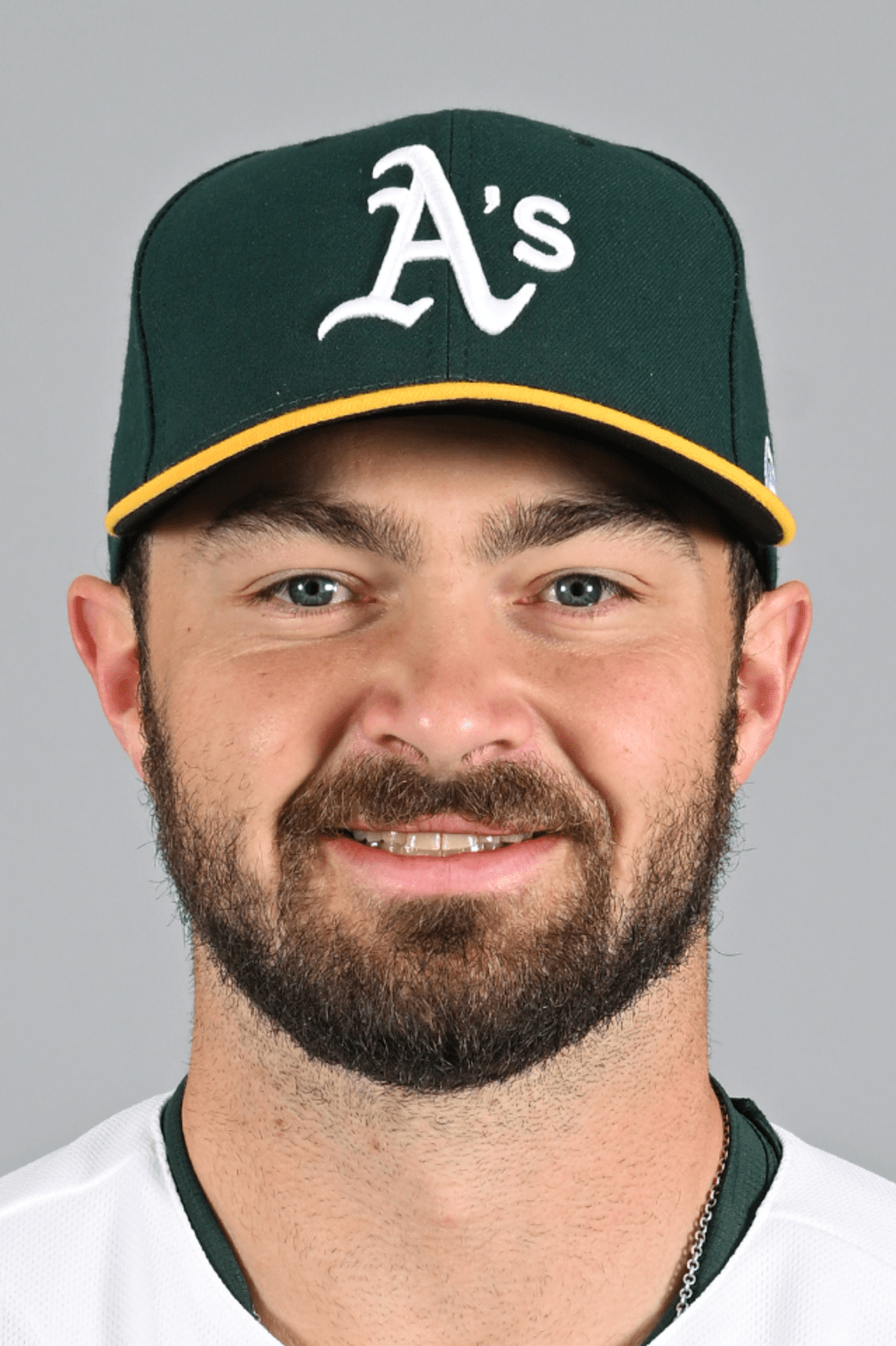
The A’s All-Star catcher is done for 2026 — and the injury he suffered has a lesson for every catcher who skips leg day.
Three weeks ago, Shea Langeliers was starting the AL All-Star Game — the first Oakland catcher to do it since Terry Steinbach stepped into the box in 1989. Now his 2026 season is finished.
The Athletics confirmed around July 26 that Langeliers tore the meniscus in his right knee while running the bases during a series against the Minnesota Twins. He was placed on the injured list retroactive to July 25. Surgery is expected to follow, though no official date has been announced.
Langeliers, 28, had been Oakland’s most dangerous bat. Through 416 plate appearances, he was putting together the best offensive season of his career:
| PA | AVG | OBP | SLG | HR | wRC+ |
|---|---|---|---|---|---|
| 416 | .263 | .332 | .497 | 23 | 127 |
A 127 wRC+ means his offense ran 27 percent above league average. That was second-best on the club. He also posted 5 Defensive Runs Saved, holding his own behind the plate even as the offense drew the headlines.
His absence reshapes the trade deadline. The Yankees, Red Sox, Rays, and White Sox were all hunting for catching help before the July 31 cutoff. Now they compete for a thinner supply. Ryan Jeffers of the Twins leads the available options at a .930 OPS. Hunter Goodman of the Rockies and Tyler Stephenson of the Reds are also in play.
Langeliers himself was a long-shot trade candidate even before the injury. The A’s held team control, and moving him made little organizational sense. Now that question is moot.
What a catcher can learn from this
Langeliers did not tear his meniscus blocking a ball in the dirt. He did not take a foul tip off the mask and limp away. He tore it running the bases.
That is the part worth sitting with.
Youth catchers log hours on their throws, their framing, their footwork in the crouch. Lower-body conditioning is easier to skip. It does not feel as baseball-specific. But the catcher’s knee absorbs more repeated load per game than almost any other position. Every squat. Every pop-up out of the crouch to throw. Every sprint to cut off a throw moving laterally across the diamond — sideways at full speed, the direction that stresses the knee most.
Then comes the moment the body was not ready for: a hard turn out of the batter’s box, a base-running burst.
The lesson is not that Langeliers was unlucky. The lesson is preparation. Single-leg squats, lateral band walks, lunges — these are not optional extra work. They are what keeps catchers in the lineup when the play demands more than the crouch. The best catchers train the whole body, not just the arm behind the plate.
That is something you can start this week.
Try this at your next practice
- Single-leg squats. Stand on one leg and lower yourself slowly to a 90-degree bend, then press back up. Do 3 sets of 10 per leg. This builds the quad and glute stability that protects the knee on turns and sprints — exactly the movement that ended Langeliers’ season.
- Lateral band walks. Tie a resistance band around your ankles, drop into an athletic stance, and walk sideways for 20 steps in each direction. Repeat 3 times. Catchers move laterally more than any position player; this exercise trains the hip abductors that take stress off the knee in those moments.
- Sprint-to-stop drills. From the batter’s box position, sprint 30 feet and stop hard on one foot, simulating a rounding-first deceleration. Repeat 5 times each leg. The controlled stop is where meniscus injuries happen — train it so your body knows the movement before it has to do it at game speed.
Sources: Shea Langeliers Suffers Torn Meniscus, Could Miss Rest Of Season — MLB Trade Rumors · Sources: Athletics’ Shea Langeliers has torn meniscus — ESPN · A’s catcher Shea Langeliers reportedly suffers torn meniscus — Yahoo Sports · Playing Matchmaker for MLB’s Top Catchers at the 2026 Trade Deadline — Bleacher Report