
Drake Baldwin Hits Two Home Runs vs. Marlins
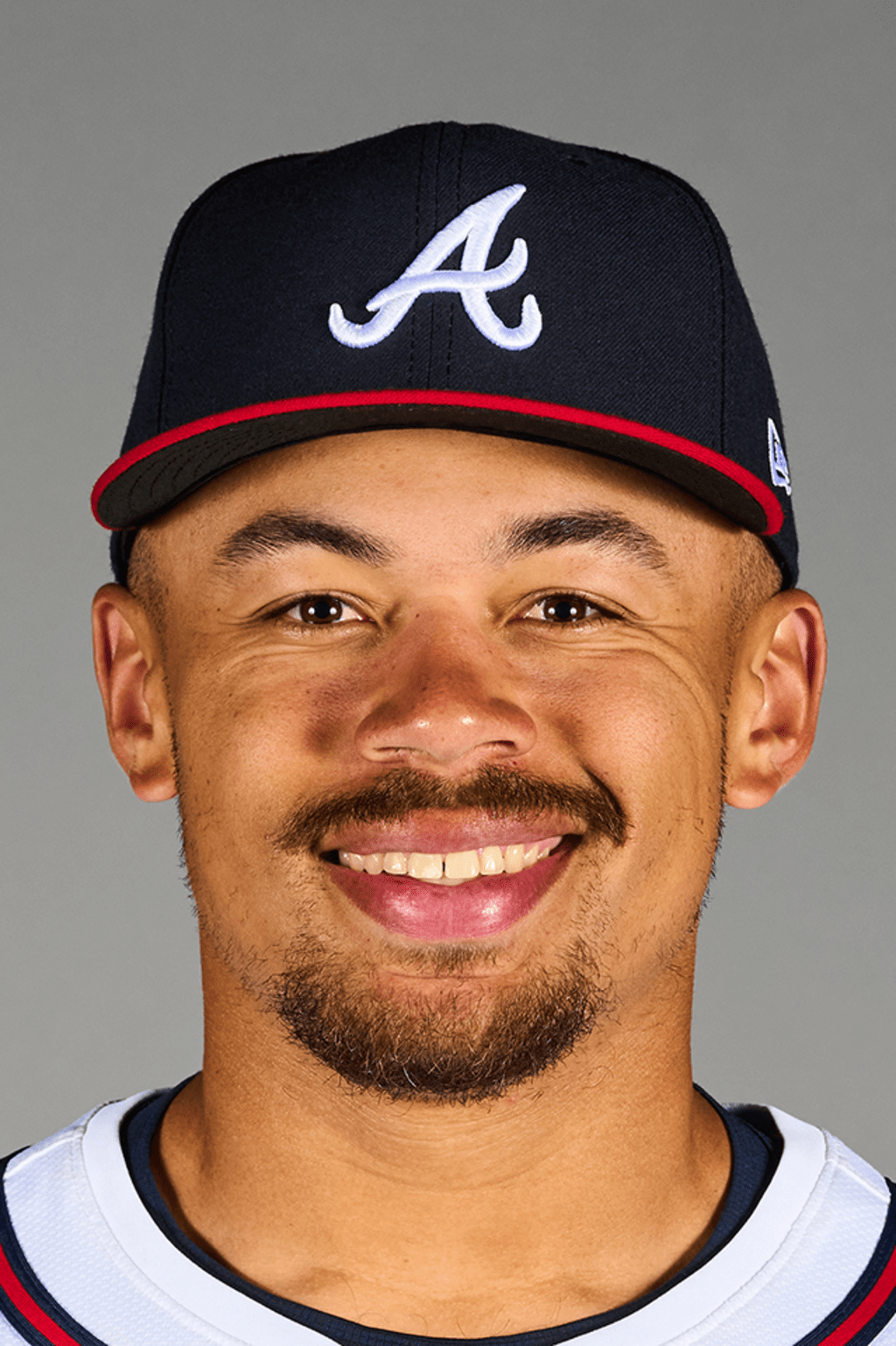
How the 2025 NL Rookie of the Year used a catcher’s read to post the biggest single-game offensive performance of his career.
It was the sixth inning, with two runners aboard and Truist Park was loud. Drake Baldwin jumped on a breaking ball and drove it out of the park. Three runs scored and the Braves held the lead for the remainder of the game.
Drake had already gone deep in the first inning for a solo shot. Then he added a game-tying single in the seventh for good measure. Baldwin’s final line: 3-for-5, two home runs, five RBI. So the Atlanta Braves won 8-6 and extended their winning streak to eight games.
The last Braves rookie catcher to hit two home runs in a single game was Javy López, in 1994.
Baldwin is 24 years old and the 2025 NL Rookie of the Year. Only the 10th catcher had won that award since 1947, and he was the first since Buster Posey claimed it in 2010. The award goes to the best first-year player in the league. Baldwin won it with 21 of 30 first-place votes.
In late July, we covered his 34-plate-appearance no-strikeout streak. Then, it was the longest active run of its kind in the majors. The contact discipline that built that streak and the two home runs Friday come from the same instinct: identify your pitch, then trust your hands.
The Braves lead the NL East by 8.5 games over the Phillies. Meanwhile, Baldwin has 20 or more home runs on the season and is pulling in legitimate MVP conversation.
What a catcher can learn from this
Catchers spend every pitch of every game reading arm slots, spin, and release points from right behind the hitter. But most catchers forget to use that information when they step into the box themselves.
Baldwin does not forget. When he stayed back on the breaking ball in the sixth, he read the spin before he committed. That is the same read he makes from the squat. He applied it from sixty feet away instead.
The drill that builds this is straightforward. At your next batting practice, set one rule: do not fire your hands until the ball reaches the front of the plate. Let it get deep. It will feel deliberate at first. But a breaking ball that looks in your zone rarely stays there — and a pitch that starts outside often comes back. In fact, your eyes behind the plate have been tracking this all season. Then train your hands to trust what they already know.
Baldwin’s power is real. But it is premeditated power — the kind that starts with a read, not a reflex. That could be you.
Try this at your next practice
- Let it travel, then fire. In batting practice, set a rule before each round: do not start your swing until the pitch passes the front of the plate. Force your hands to wait. The goal is to train your eyes to finish reading the pitch before your body commits. Count how many times you violate the rule. Over three rounds, that number should drop.
- Catchers’ BP reads. Behind the plate during pitcher’s bullpen work, call out “breaking” or “fastball” before each pitch crosses the zone. Then step in for your own live round. You will notice how much your pitch recognition improves when you carry the behind-the-plate read into the box. This is the exact transfer Baldwin is making.
- Two-strike drill. Have a teammate or coach throw batting practice with every pitch treated as a two-strike count — meaning you only swing at a pitch you can absolutely drive. Let everything borderline pass. The discipline you build under this constraint is the same patience Baldwin showed on the breaking ball in the sixth inning.
Sources: MLB.com — Baldwin multi-homer game report; House That Hank Built — Braves catcher MVP case; Baseball-Reference — Baldwin career stats; FOX 5 Atlanta — Rookie of the Year award coverage.