
Catcher’s Mitt Pocket and Web Patterns Explained
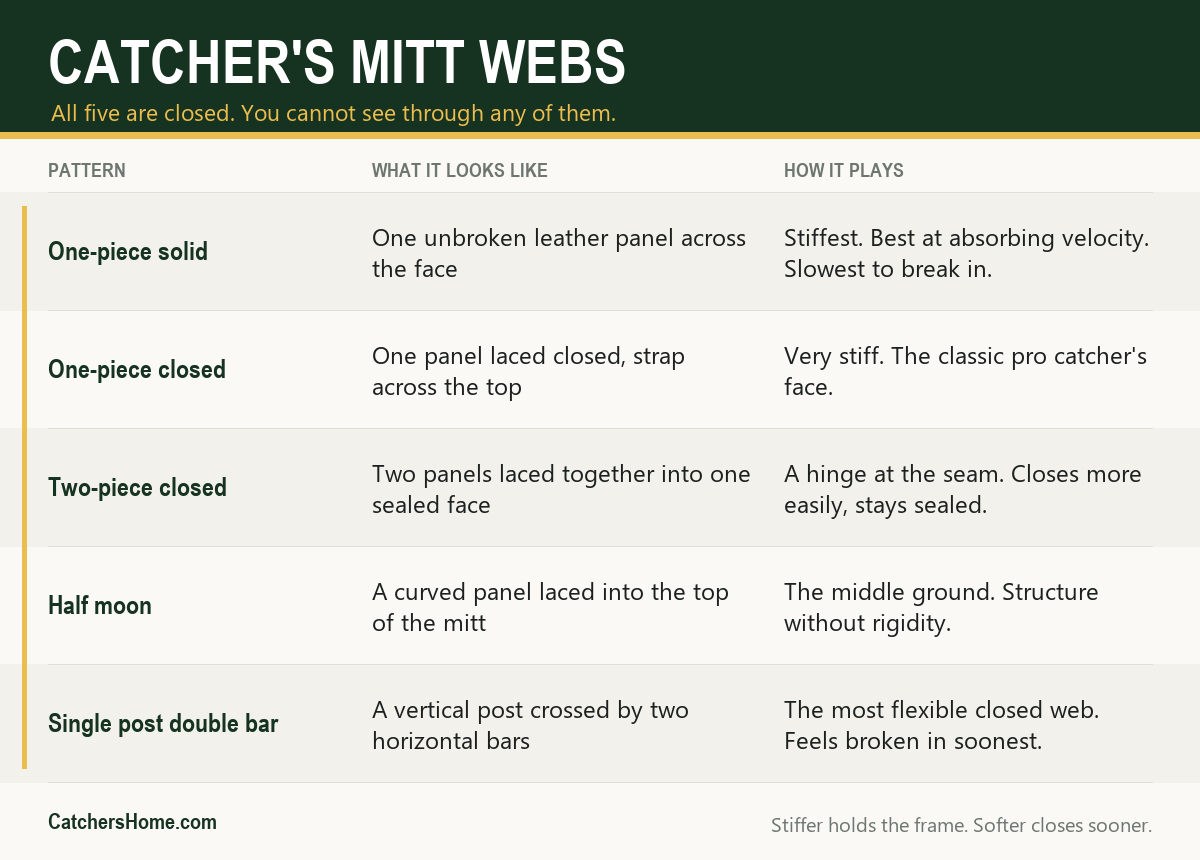
Every catcher’s mitt web is closed — you cannot see through any of them — and they come in five shapes: one-piece solid, one-piece closed, two-piece closed, half moon, and single post double bar. The difference between them is stiffness, and stiffness decides three things a catcher cares about: how long the mitt takes to break in, how well it holds a frame, and how hard it is to close one-handed.
Why a catcher’s mitt web is never open
Look at a shortstop’s glove and you will see straight through the web — an I-web, an H-web, a trapeze, a basket weave. Look at a catcher’s mitt and you will see leather. That is not a style choice, and it is the first thing to understand about this spec.
A closed web does two jobs an open one cannot. It hides the ball. That also hides the signs a catcher is putting down, and the location the mitt is set to. An open web would show all of it to the opposing dugout and the on-deck circle. And it will not pop open under impact, which matters when the thing hitting it is a fastball rather than a ground ball.
So when a listing says closed web on a catcher’s mitt, it is not telling you much — they all are. The useful information is which closed web, and that is what the rest of this page covers. If the glove-versus-mitt distinction itself is still fuzzy, we settle that separately.
The five webs, stiffest first
Tap or hover a web pattern to open it up — stiffest first.

One-piece solid
One unbroken leather panel across the face
Best at absorbing velocity and holding a frame — and the slowest to break in. Nothing to see through, nowhere to fold.
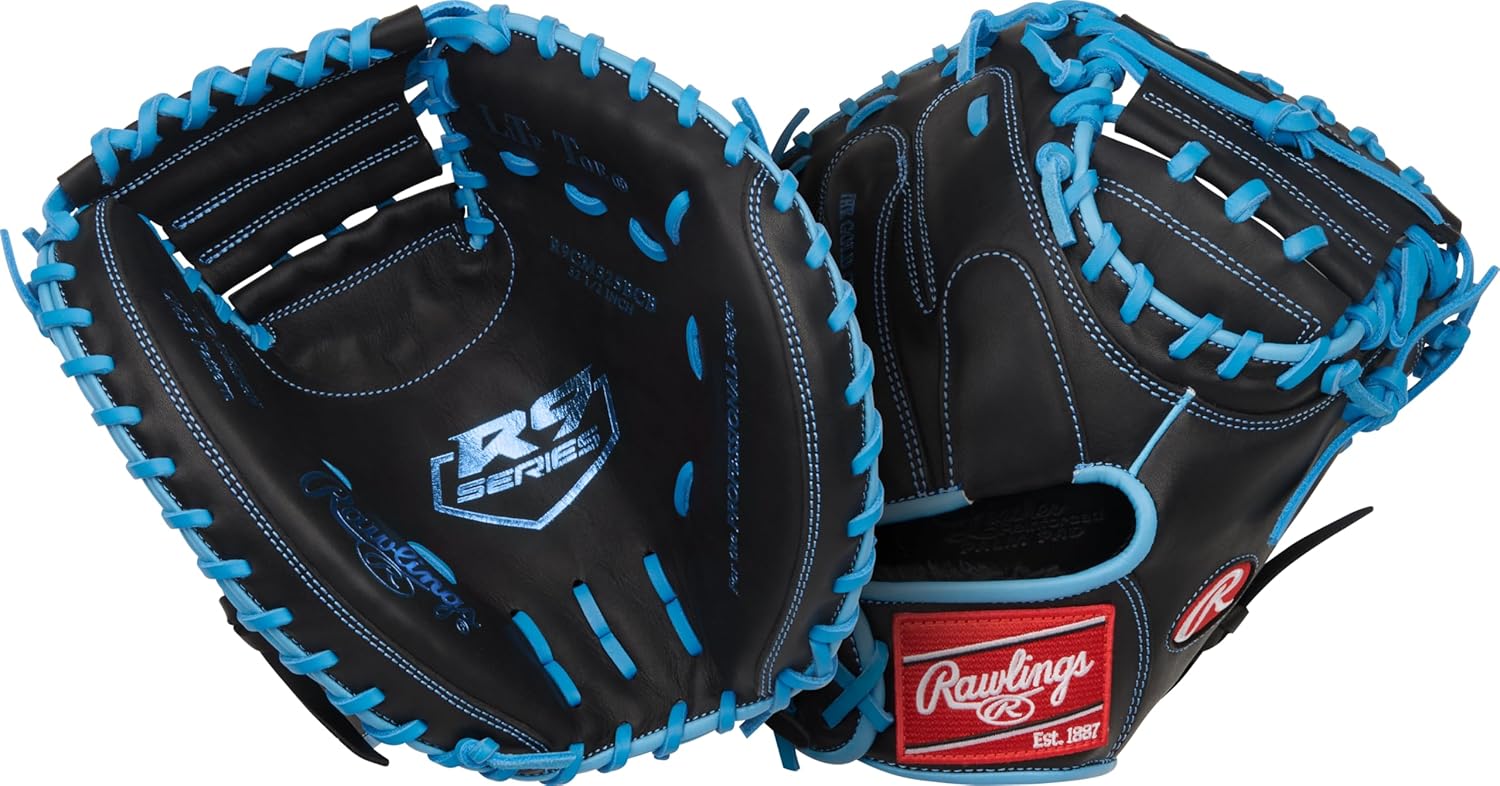
Seen on: Rawlings R9, Heart of the Hide AR35
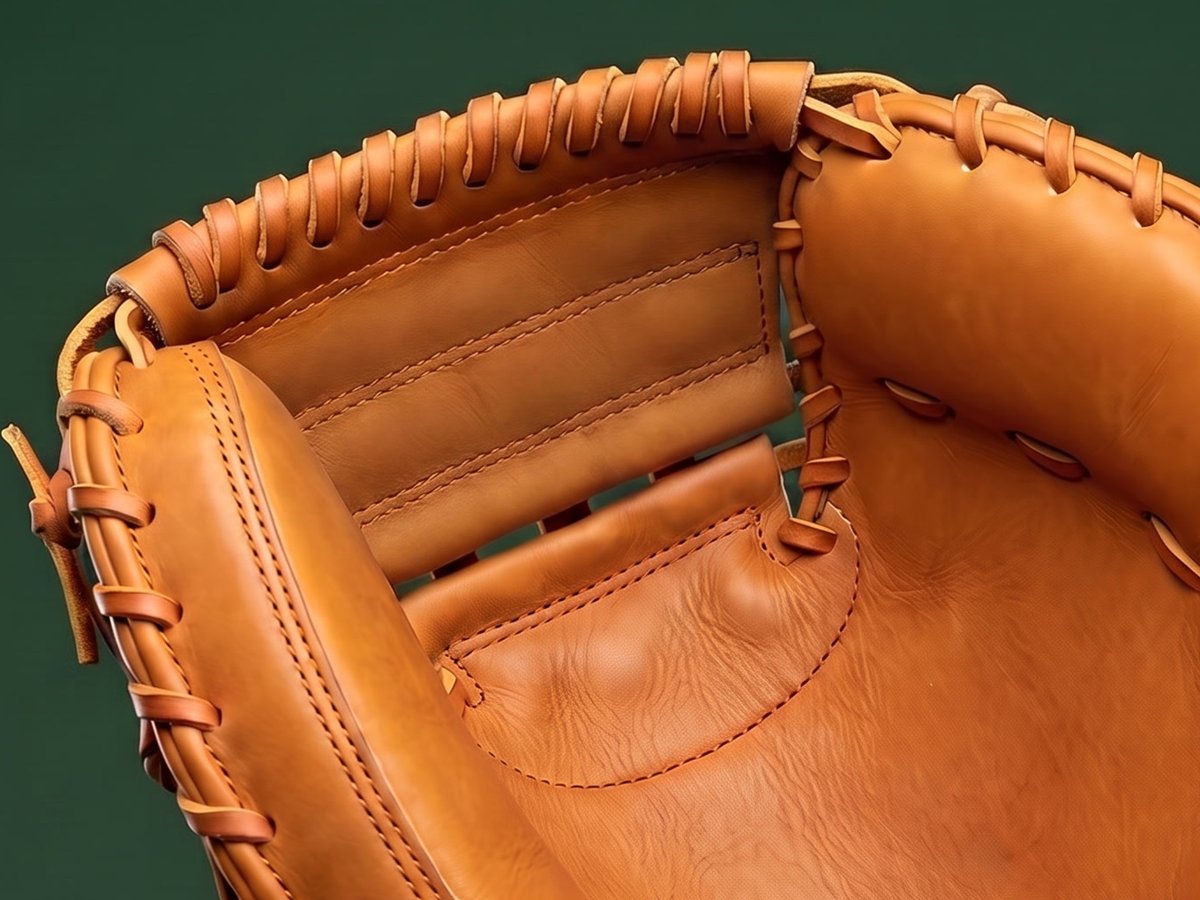
One-piece closed
One panel laced closed, usually with a strap across the top
Very stiff — behaves almost like a solid panel, with slightly more give where the lacing runs.
Seen on: Rawlings Heart of the Hide PROSCM41B
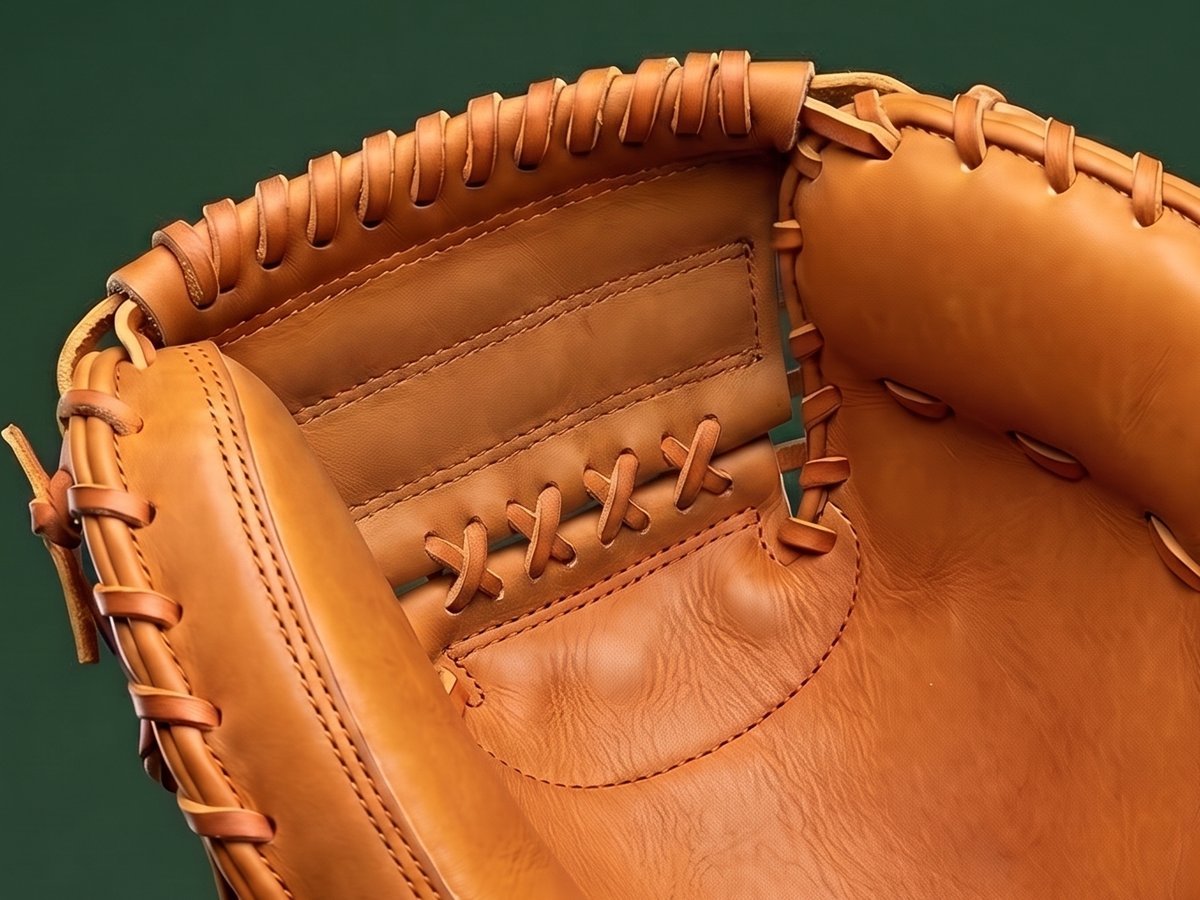
Two-piece closed
Two panels laced together into one sealed face
The seam between the panels closes more easily than one panel ever will, and the face stays sealed.
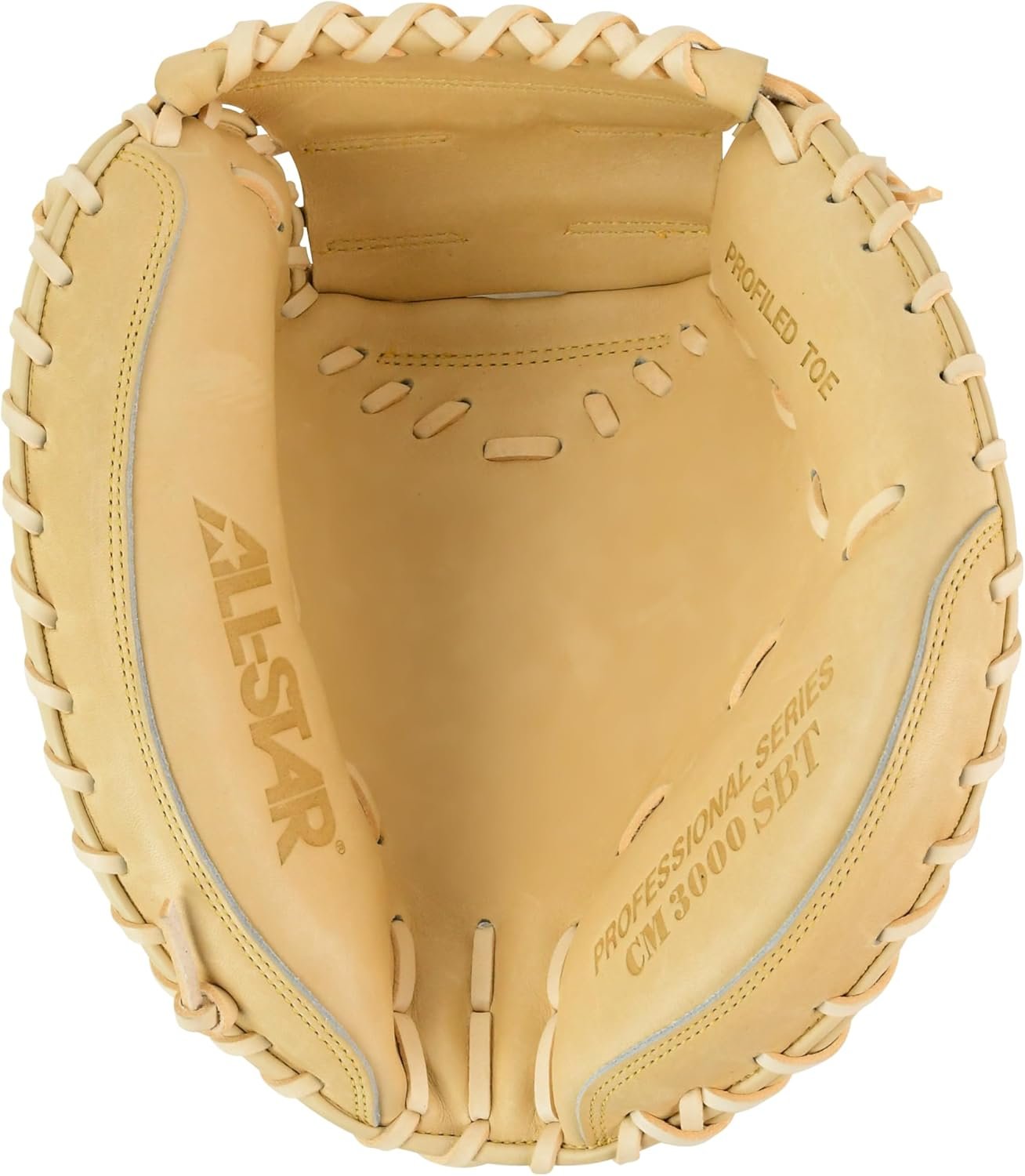
Seen on: All-Star Pro Elite CM3000, CM3100

Half moon
A curved panel laced into the top of the mitt
Structure without rigidity — which is why it shows up on mitts aimed at younger and part-time catchers.
Seen on: Wilson A1000 CM33
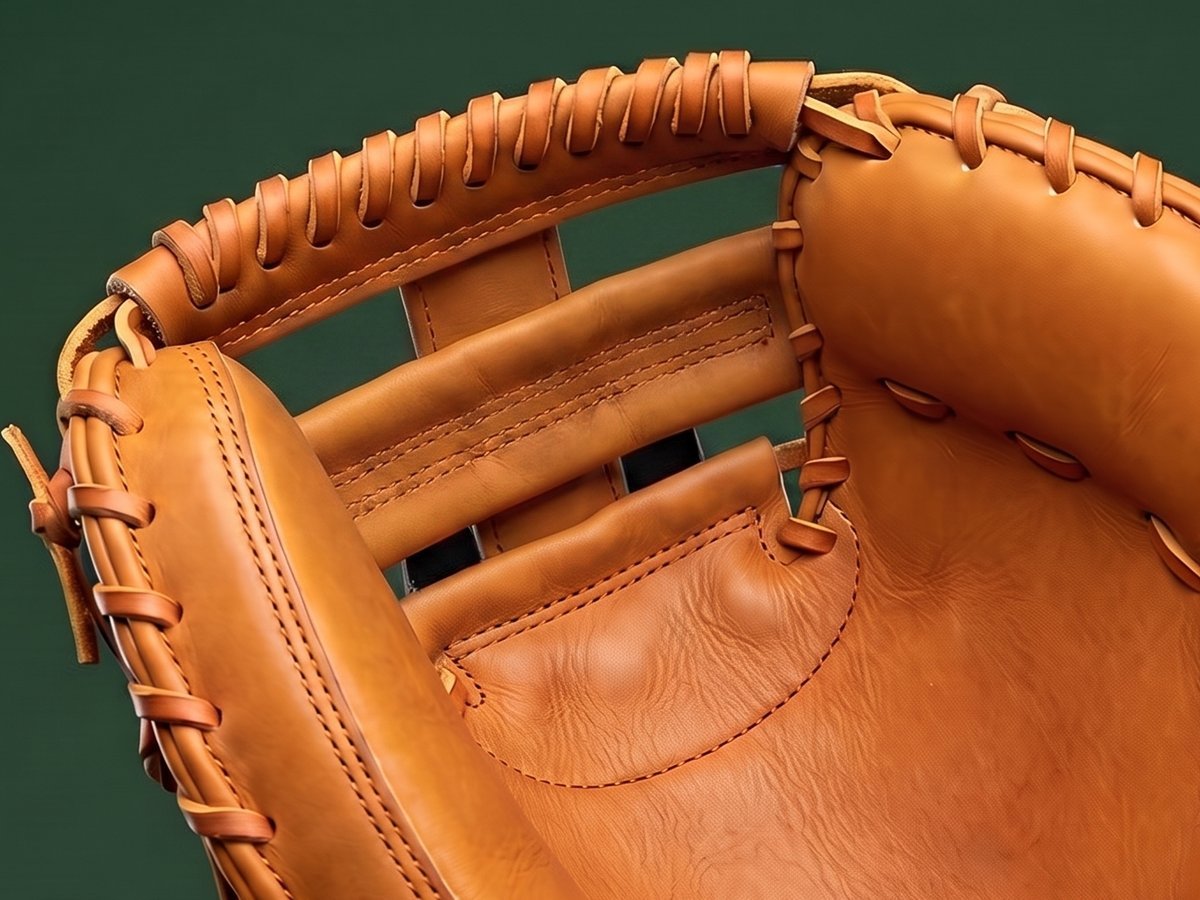
Single post double bar
A vertical post crossed by two horizontal bars
The most flexible closed web there is. Gaps and seams that hinge on day one — and the most decorative-looking of the five.
Seen on: Rawlings Pro Preferred
Web renderings are illustrative, to show each construction — not photos of the specific models named.
Read those cards as a stiffness ladder rather than a quality ladder. The one-piece solid web at the stiff end is not better than the single post double bar at the flexible end. It is harder, slower and more stable. Whether that is what you want depends entirely on the catcher. A 14-year-old still building hand strength and a college starter who blocks 40 balls a week want opposite ends of this list.
Pocket depth: the spec that actually changes your game
The web is the face of the mitt. The pocket is how deep the ball sits once it is in there, and it is the more consequential of the two.
A deep pocket swallows the ball. That is what you want catching real velocity. It is also what you want when a breaking ball short-hops in front of the plate, and the job is simply to keep it off the backstop. The trade is transfer speed — the ball is further from your throwing hand and takes a beat longer to find.
A shallower, narrower pocket keeps the ball near the surface. A catcher whose value is throwing runners out will feel that difference on every steal attempt. The trade is that the ball is easier to lose on a hard pitch or a bad hop. Most catchers should take the deeper pocket. The pitches you fail to hold cost more than the runners you fail to catch.
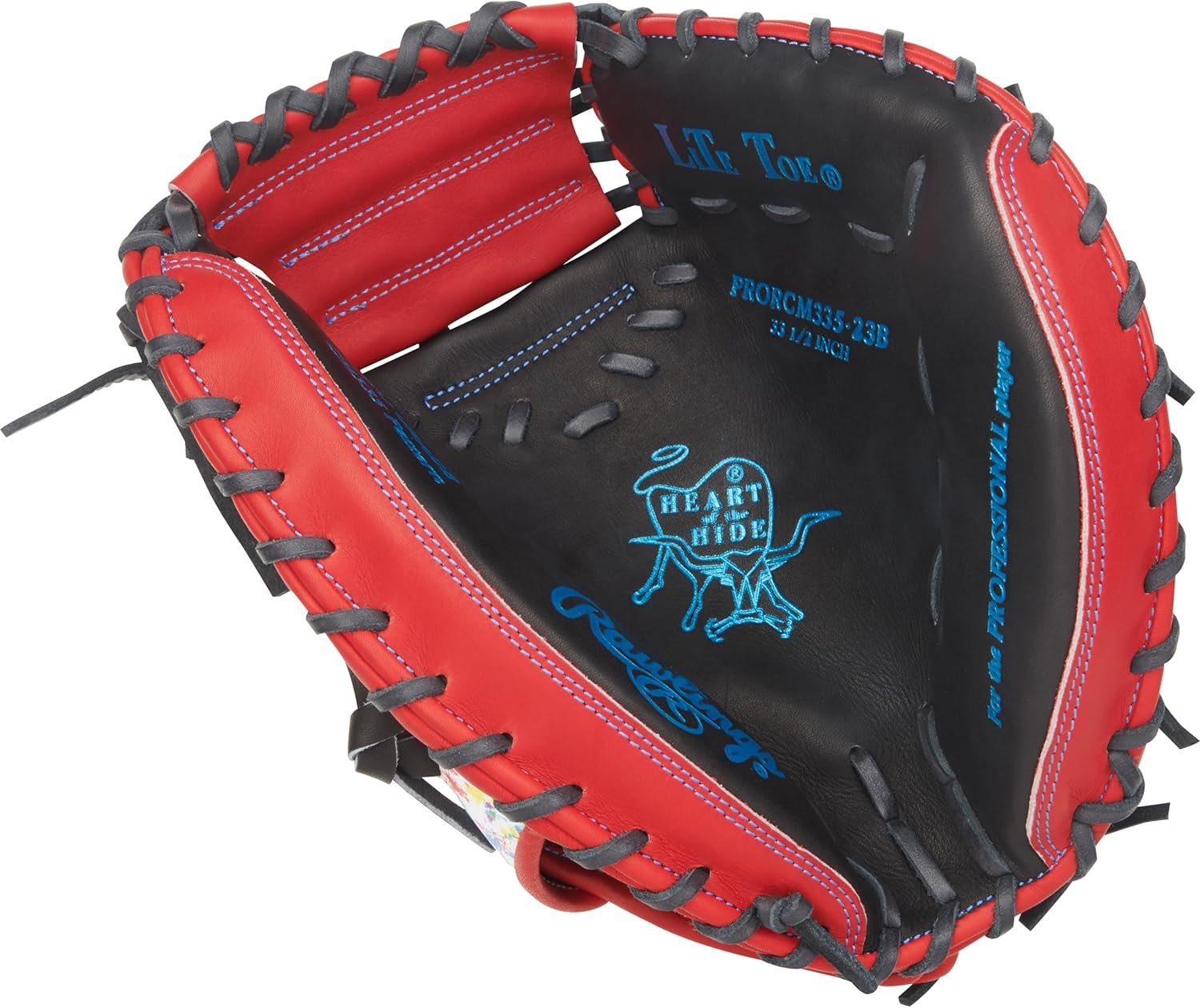
This is the same decision, viewed from a different angle, that our framing-versus-blocking guide works through. If you already know which of those two describes your game, that page will tell you which pocket to buy faster than this one will.
How the web changes break-in
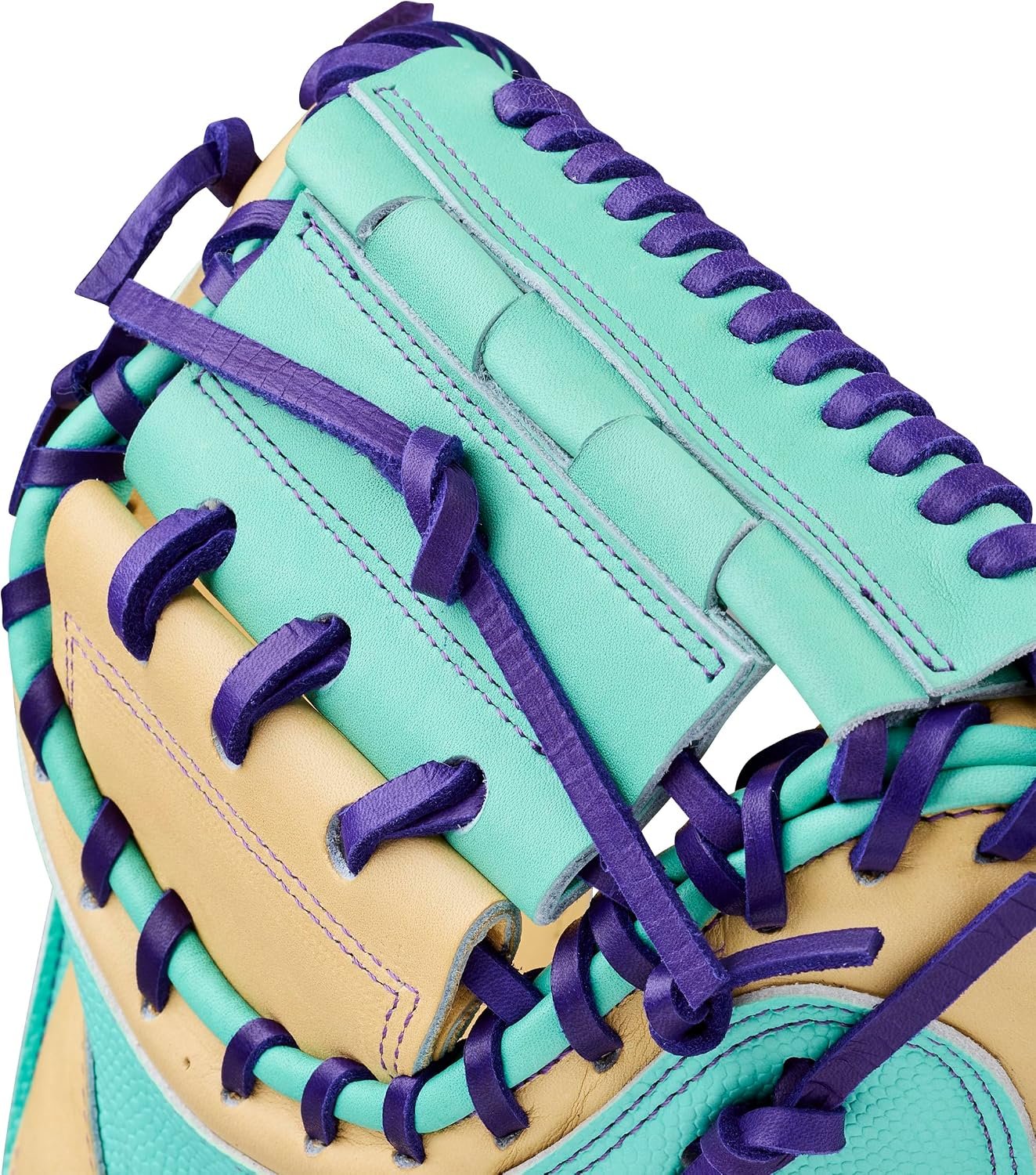
Two mitts in identical leather can be weeks apart in break-in, and the web is usually why. A one-piece solid web has no seam to fold along. It will not close until the leather itself gives, so every rep works against a full unbroken panel. A single post double bar or a half moon web has gaps and seams that hinge on day one.
That is worth knowing before you blame the hide. If a mitt feels immovable in week two, ask whether you bought a solid web in premium steerhide. If so, it is behaving exactly as designed. The break-in guide covers what to do about it, and the short version is reps rather than shortcuts. Leather grade is the other half of that equation.
How the web changes framing
A framed pitch is a still mitt. When the ball arrives, the mitt should absorb it without moving. Then the umpire sees the glove where the catcher presented it, not where the ball pushed it.
Stiffer webs do that better. A one-piece solid or one-piece closed web holds the shape you set, and the impact goes into the leather rather than into rotating the mitt. A more flexible web gives slightly on contact, which is comfortable and forgiving and costs you the borderline call.
So a catcher whose reputation is built on stealing strikes should shop at the stiff end of this list. Expect to pay for it in break-in time. A catcher who blocks more than he frames has more freedom. Neither of those readers is wrong, and the five-decisions guide puts this axis alongside the other four.
Where the specialty patterns fit
Two shapes sit outside the normal five, and both exist for a specific job.
Knuckleball mitts are oversized, with a very deep pocket and a wide closed face. Catching a knuckleball is less about receiving a location than about getting leather in front of a ball that has not decided where it is going. The web logic is the same, just scaled up.
Training mitts go the other way. They are deliberately small and flat, with barely any pocket. So a catcher has to receive the ball cleanly with the centre of the mitt, instead of letting a deep pocket rescue a poor catch. They are a framing tool rather than a game mitt, which is why they belong to practice.
How to read this on a listing
Brands are not equally forthcoming, and this is worth knowing before you shop. Rawlings prints the web pattern on the product variation itself. The R9 reads 1-Piece Solid Web; the Pro Preferred reads Single Post Double Bar Web, right there in the option you select. Wilson’s catcher listings generally lead with leather and technology and leave you to work the web out from the photographs.
Neither is hiding anything. But it does mean the two brands need different shopping habits, which is one of the practical points in our Rawlings-versus-Wilson comparison. And whatever the listing says, get the size right first. A correct web on a mitt an inch wrong for your hand is still the wrong mitt.
What we could not verify
- No manufacturer publishes a stiffness scale for webs. The stiffest-to-most-flexible ordering here comes from how the constructions behave: an unbroken panel cannot hinge, a seam can. It also draws on retailer descriptions, not on a measured number.
- Brands use solid and closed loosely and sometimes interchangeably for what is structurally the same one-piece face. We have kept them as separate entries because the listings do, not because the difference is large.
- Web names are model-specific and change between model years without the pattern code changing. Every web named on this page was read off a live listing on August 21, 2026 — confirm against the listing photos before you buy on web shape alone.
Catcher’s mitt web and pocket FAQs
What web types are used on catcher’s mitts?
Five, and all of them are closed: one-piece solid, one-piece closed, two-piece closed, half moon, and single post double bar. A catcher’s mitt never uses the open lattice webs you see on fielding gloves — no I-web, H-web, trapeze or basket. The web has to hide the ball and the signs from the other dugout. It also has to survive a hundred pitches a game without popping open.
What is the difference between a one-piece and a two-piece web?
A one-piece web is a single panel of leather; a two-piece web is two panels laced together. The seam in a two-piece web acts as a hinge, so the mitt closes a little more easily. The one-piece is stiffer, holds its shape longer, and takes longer to break in. Both are closed — the difference is flexibility, not whether you can see through them.
What pocket depth is best for a catcher’s mitt?
Deep if you catch velocity and block a lot; shallower if your value is throwing runners out. A deep pocket traps the ball, which is what you want when a 90-mile-an-hour fastball arrives or a breaking ball hits the dirt. A shallower pocket keeps the ball closer to the surface so your hand finds it faster on a transfer. Most catchers should take the deeper pocket.
Does the web pattern affect how a catcher’s mitt breaks in?
Yes — the stiffer the web, the longer the break-in. A one-piece solid web is a single unbroken panel with nowhere to fold, so it resists closing until the leather itself gives. A single post double bar or a half moon web has seams and gaps that hinge from the start. That is why two mitts in the same leather can break in weeks apart.
Can you see through a catcher’s mitt web?
No, and that is deliberate. Every catcher’s mitt web is closed. An open one would show the ball, and the signs, to the opposing dugout and the on-deck circle. It is one of the few pieces of equipment on the field whose design is driven by concealment as much as by catching.
What does the web have to do with framing?
A stiffer web holds the shape you present, so the mitt stays where you put it when the ball arrives. That stability is what makes a borderline pitch look like a strike. A more flexible web collapses slightly on impact, which moves the mitt and can cost you the call. Framing catchers generally want the stiffer end of this list.
Ready to put this to work? Framing or blocking turns pocket depth into a shortlist. The premium roundup names the webs on every mitt it scores, and the mid-range tier does the same under $250. For a worked example of a two-piece closed web in a premium mitt, the CM3000 review is the closest look we have. Everything here sits under baseball catcher’s mitts. The same web logic applies to fastpitch mitts, inside our catcher’s mitts pillar.