Relace or Replace? Repairing a Premium Catcher’s Mitt
Relace a catcher’s mitt when the laces are stretched, fuzzy or snapped but the padding, hinge and leather are still alive; replace it when the structure itself is gone. Laces are a wear part — like tires on a car — and a premium mitt is built to outlast several sets of them. So before you price a replacement, run the checks below. The answer decides whether you spend an afternoon or several hundred dollars.
The dividing line: laces are repairable, structure is not
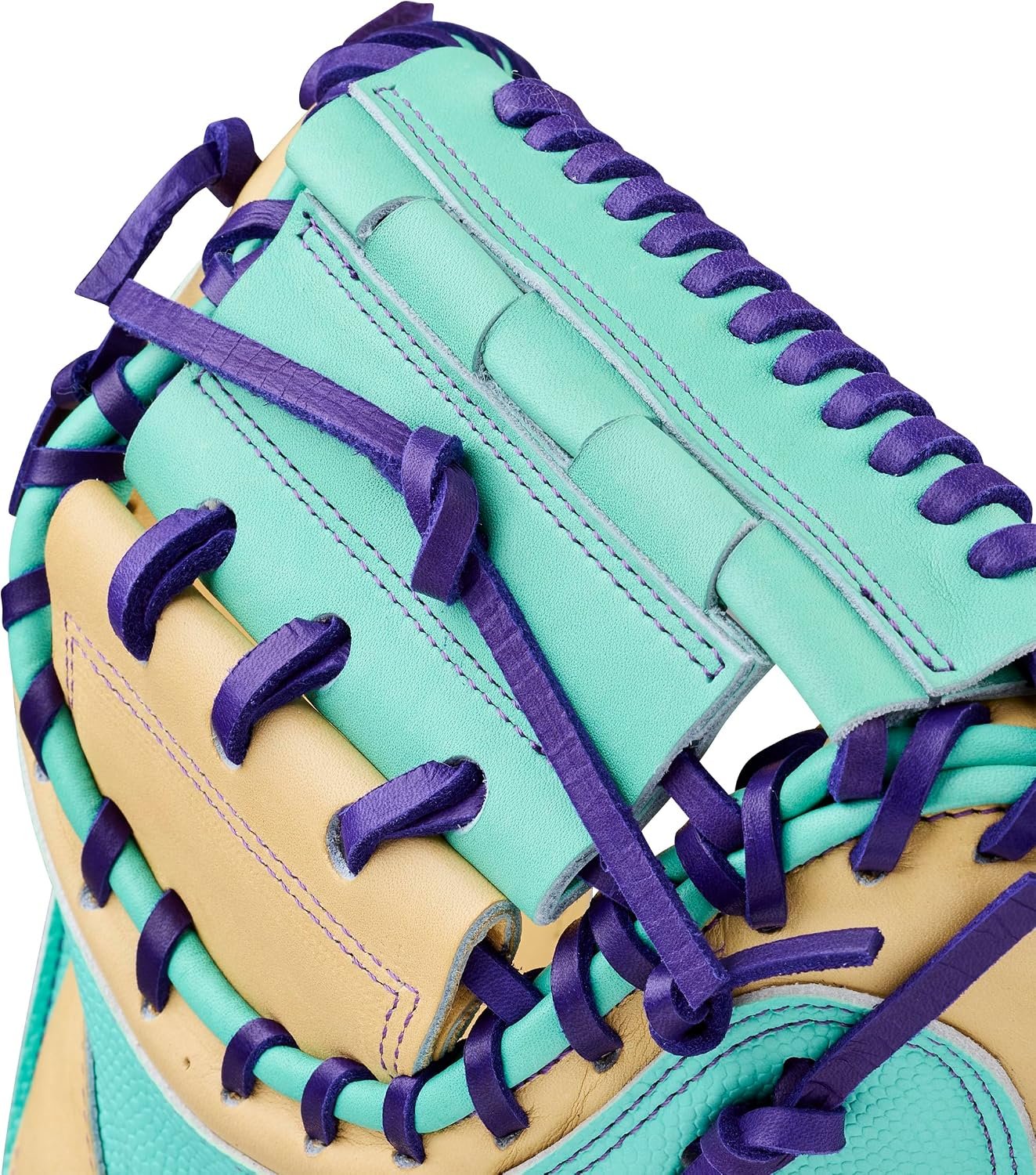
A catcher’s mitt is two things wearing out at different speeds. The structure — leather shell, palm padding, hinge — is the mitt, and when it dies the mitt is done, a call our lifespan guide walks through sign by sign. The laces are the rigging: they hold the web to the frame, set the pocket’s tension, and take a beating on every catch. They stretch, fray and snap on their own schedule, and none of that touches the mitt underneath.
That is why the fix matters. Relacing genuinely restores a mitt — pro equipment managers do it routinely, and many catchers relace a premium mitt once or twice across its life. Replacing over laces, meanwhile, is throwing away seasons of leather you already paid to break in.
Check the structure first
Run the same four checks we use for end-of-life, in order. Squeeze the palm: padding that stays thin under your thumb is finished, and no conditioner fixes foam. Flex the hinge: deep creases turning into cracks are structural. Flex the leather: flaking or cracking means it is dry past saving. Set the mitt down closed: a pocket that slumps open on a healthy frame is usually a tension problem — which is to say, a lace problem.
If the structure failed any of those, stop here and read when to replace a catcher’s mitt — the honest answer is a new mitt, and re-lacing a dead one just delays it at retail price. If the structure passed, you have a repair on your hands, not a funeral.
What a relace actually fixes
- Web tension. The web is where stretched laces show up first — the ball starts rattling instead of sticking. New lace brings back the snap a broken-in pocket had.
- Pocket shape at the edges. Loose heel and finger lacing lets the pocket sag wide. Re-tensioning pulls the pattern back to the geometry it was broken in to hold.
- The mid-inning failure you have not had yet. A fraying lace picks its own moment. Replacing it on your schedule is the whole difference between maintenance and an emergency.
- What it does not fix: compressed padding, a cracked hinge, dead leather — and a web design you never liked. If the pattern itself is the complaint, that is a buying decision, not a repair.
How to relace a catcher’s mitt
- Diagnose before you buy anything Squeeze the palm and check the hinge first. If the padding stays thin under your thumb or the fold line is cracking, stop — that mitt needs replacing, not relacing, and new laces on a dead frame are money spent twice. If the structure is alive and the laces are the problem, keep going.
- Photograph the lacing pattern before you cut Take close photos of every section you plan to redo — web, heel, fingers, thumb — from both sides. A catcher’s mitt lacing path is not intuitive, and the photos are your map back. Do one section at a time so a working section is always your reference.
- Match the lace before you order Premium mitts run leather lace, usually 3/16-inch wide on the body and web. Buy genuine leather lace rather than synthetic, in the longest lengths offered — running out mid-web is the classic first-timer’s stall. A lacing needle, a pulling tool or pliers, and a blade are the whole toolkit.
- Relace one section at a time, mirroring the old path Pull the old lace, thread the new one along the exact path in your photos, and keep the tension even rather than maximal. Overtightened lace distorts the pocket you spent a season building. The web takes the most patience; the finger tunnels take the least.
- Re-tension after a week of catching New leather lace stretches as it settles. Catch with the mitt for a few sessions, then go back over the knots and take up the slack once. After that, the mitt should feel like itself again — same pocket, new spine.
One honest note on difficulty: a catcher’s mitt is the hardest glove in the bag to relace, because the web carries more lace under more tension than any fielder’s glove. That is an argument for patience and photos, not against doing it — thousands of players do their own every winter.
When to hand it to a professional
A glove shop or a team equipment manager earns the job in three cases: the web pattern intimidates you, the mitt is a premium one you cannot afford to learn on, or the laces are so far gone that the original path is unreadable. A pro relace also usually includes a conditioning pass and a tension check across the whole mitt. We do not quote shop prices here — rates vary too much by region and scope to print honestly — but any shop will quote from photos, and the number will sit well under what the mitt cost.
After the relace: make the next set last
Lace life tracks care like leather life does. Cleaning the grit out after games keeps the lace from being sanded from the inside, and a light pass of conditioner a few times a season keeps it supple — a soaked mitt, meanwhile, stretches everything. Store the mitt with a ball in the pocket so the new tension settles into the shape you want.
The bottom line
Repair on laces, replace on structure — the same rule that governs how long a mitt lasts decides what to do when it falters. A relace is an afternoon and a hank of leather; a replacement is a tier decision all over again. And when the structure really is done, spend the money once and well: the premium shelf and the mid-range tier are where we would put it. Everything here lives under our catcher’s mitts pillar.
Catcher’s mitt relacing FAQs
Is it worth relacing a catcher’s mitt?
Yes — relacing a catcher’s mitt is worth it whenever the leather and padding are still alive, because laces are a wear part and the rest of a premium mitt is built to outlast several sets. A relace restores the web tension and pocket feel that stretched laces bleed away. The only time it is not worth it is when the structure is already gone — new laces cannot resurrect dead padding.
How do I know if my mitt needs relacing or replacing?
Check the structure, not the laces: squeeze the palm, flex the hinge, and look at the leather. Thin padding that lets impact sting through, a cracking hinge, or leather that flakes when flexed all mean replacement. Stretched, fuzzy or snapped laces with a healthy frame behind them mean a relace. Laces are the most visible wear on any mitt and the least meaningful.
How much does it cost to relace a catcher’s mitt?
A professional relace costs a fraction of a premium replacement, and a do-it-yourself relace costs a hank of leather lace and an afternoon. We do not quote shop rates because they vary by region and by how much of the mitt needs work — a web-only job and a full relace are different animals. Call a local glove shop with photos and you will have a real number in minutes.
Can I relace a catcher’s mitt myself?
Yes — relacing a catcher’s mitt yourself is a patience project, not a skill project. Photograph the original lacing path, work one section at a time, and mirror what was there. The web is the hardest section and the one most worth doing, since web tension is what stretched laces steal first. A first full relace commonly takes an afternoon.
Does a relaced mitt need breaking in again?
No — a relaced catcher’s mitt keeps its pocket, because break-in lives in the leather and padding, not the laces. Expect a few sessions of settling while the new lace stretches to its working length, then re-tension the knots once. That is tuning, not break-in. If the pocket feels wrong after a relace, the lace tension is uneven — even it out rather than starting mallet work.
How often should catcher’s mitt laces be replaced?
Replace catcher’s mitt laces when they stretch past re-tensioning, fray to fuzz, or snap — for a full-time catcher that is commonly once a season or two, and pro equipment managers relace routinely. Waiting costs more than the lace: a loose web changes how the ball sticks, and a lace that snaps mid-inning chooses its own schedule. Fix the first fray on your calendar, not the game’s.