
How Long Does a Catcher’s Mitt Last? (And When to Replace It)
A catcher’s mitt lasts about one season at the budget tier, one to two seasons mid-range, and three to four or more at the premium tier — for a catcher playing full-time innings. Those are owner-reported numbers, not lab results, and the honest unit behind them is innings caught rather than years owned. So this page gives you the planning numbers, the four signs a mitt is actually done, and the difference between a mitt that needs a repair and one that needs a funeral.
The planning numbers, by tier
Start with the same table we use for the cost math. Lifespan tracks leather grade more than brand, and it is worth being blunt that these figures come from owner reports. Nobody measures this, including us. The pattern is consistent enough to plan around, though.
| Tier | Owner-reported life | What usually fails first |
|---|---|---|
| Entry / budget ($75–$95) | About one full season of catching | Pocket flattens; padding compresses |
| Mid-range ($110–$250) | One to two seasons | Pocket loses shape by the second summer |
| Premium ($290–$500) | Three to four-plus seasons | Laces stretch long before the leather quits |
The premium row is the one people doubt, so here is the supporting detail. Wilson A2K owners report four-plus seasons of serious play, and some report five or more at college and pro level. Meanwhile, oil-treated cowhide — the game-ready leather on most budget and youth mitts — arrives soft because the factory already spent its stiffness for you. A travel-ball catcher can feel one go soft inside a season or two, right where a steerhide mitt is just getting good.
Count innings, not years
A mitt does not know what year it is. It knows how many pitches it has eaten. So a rec catcher who splits time and catches forty innings a season, and a travel-ball catcher who logs five games a weekend, are living in different decades as far as the leather is concerned.
That is why the same mitt earns wildly different reviews. The one-season budget-mitt figure assumes a catcher who is actually behind the plate most innings. Halve the innings and the calendar roughly doubles. Double them — fall ball, spring season, summer travel — and even a mid-range pocket that felt great in March can be flat by July.
The four signs a mitt is done
- The pocket stops holding shape. Set the mitt down closed and it slumps open, or the ball rattles instead of sticking. A pocket you re-form every week is a pocket that is gone.
- Impact stings through the palm. Padding compresses permanently. When a routine fastball leaves your hand buzzing, the pad is finished, and no conditioner fixes foam.
- The hinge cracks or collapses. The fold line does the most work in the mitt. Deep creases that turn into cracks are structural, not cosmetic.
- The leather is dry past saving. Conditioner restores dry leather, but leather that flakes or cracks when flexed has already lost the fight.
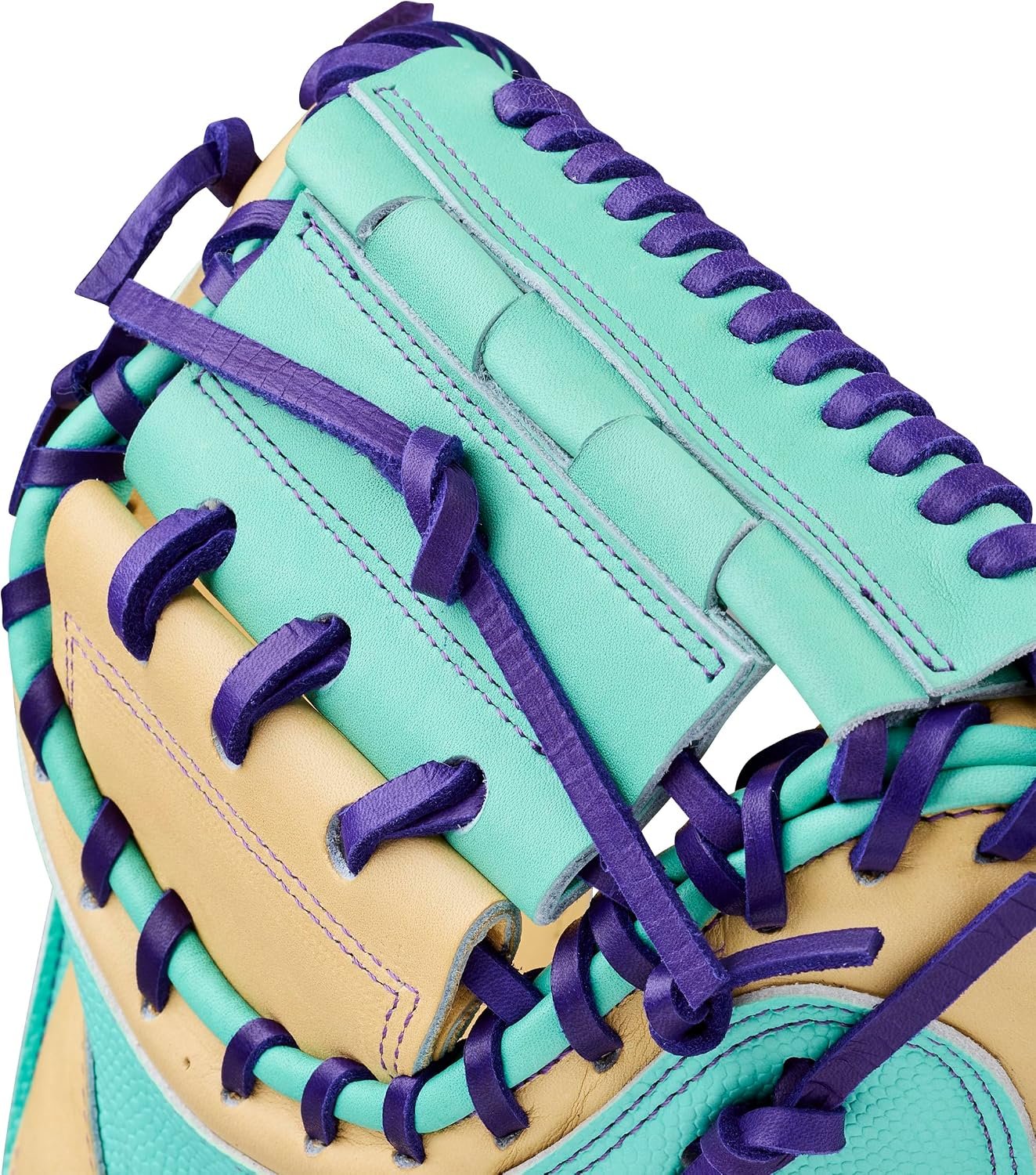
Notice what is not on that list: laces. Stretched, fuzzy, or snapped laces are the most visible wear on any mitt, and they mean the least. Lacing is a wear part, like tires on a car.
Repair it or replace it?
The dividing line is simple. Laces are repairable, and structure is not. A relace — replacing the leather laces through the web, heel, and fingers — costs a fraction of a new mitt and genuinely tightens the whole glove. Many catchers relace a premium mitt once or twice across its life, and pro equipment managers do it routinely. We break down relacing versus replacing — what each one costs, and which damage is worth paying to fix.
Padding, hinge, and leather are the structure. When those go, replacement is the only honest fix, because everything a repair could add is hanging off a frame that no longer works. If you are unsure which side of the line you are on, squeeze the palm. A pad that stays thin under your thumb has told you the answer.
How to make the next one last longer
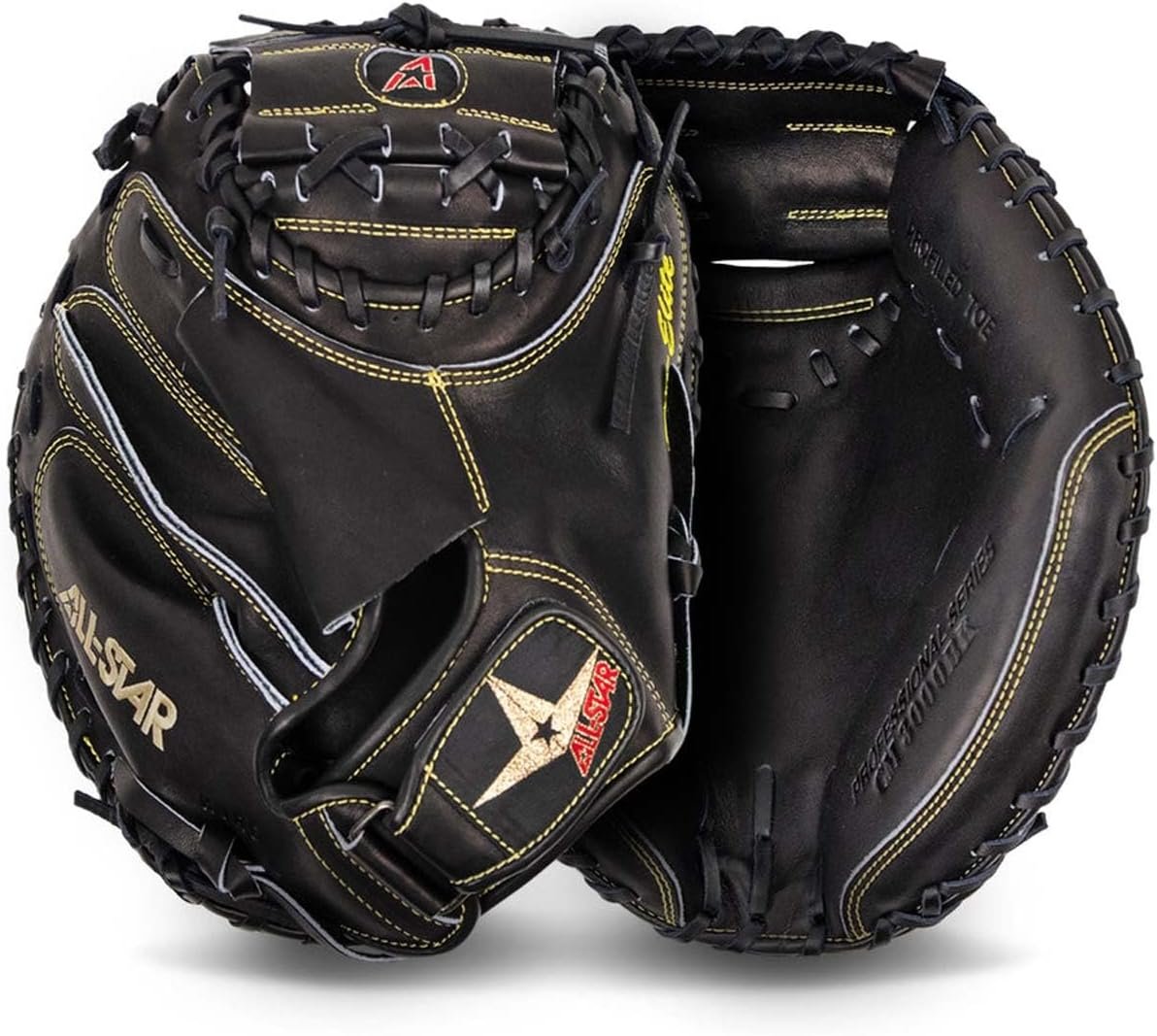
Lifespan is not fixed at purchase. The boring maintenance is what cashes the check: knock the dirt off after games, clean and condition it lightly a few times a season, keep it out of hot cars, and store it with a ball in the pocket. The right conditioner matters less than the habit, though a soak in oil actively shortens a mitt’s life.
Break-in choices count too. A mitt broken in with reps instead of heat keeps its structure longer, because every shortcut — the oven, the microwave, steam — trades future seasons for a soft weekend. The factory version of the same trade is why game-ready leather dies young.
What shortens a mitt’s life
Beyond raw innings, four accelerants show up over and over in owner reports. The hot car is the big one, because a trunk in July cooks the natural oils out of leather in a single afternoon. A wet mitt dried on a radiator or in the sun does the same damage faster.
The other two are slower. Dirt left in the pocket works like sandpaper every time the mitt closes, grinding the leather from the inside. And over-oiling — the well-meant soak before winter — adds weight, softens the leather past where it holds a pocket, and attracts more of that dirt. In other words, a mitt rarely dies of old age alone. It usually has help.
Retire it to the bullpen first
A mitt that can no longer start a game can still work. A pocket too soft for live innings is fine for bullpen sessions, receiving drills, and warming up pitchers, where nobody is stealing second off your transfer. Many catchers run a two-mitt rotation for exactly this reason. The old one takes practice reps, so the gamer only eats the innings that count. That habit alone stretches the gamer’s life by a season.
The bottom line
Plan on one season for budget, one to two for mid-range, and three to four-plus for premium — then adjust for your actual innings. Replace on structure, repair on laces, and let care stretch the tail. And before you buy the next one, run the cost-per-season math: lifespan is the denominator that decides whether a premium mitt is an extravagance or the cheapest option on the ladder. For the shelf itself, the premium roundup and the mid-range tier cover the models those numbers describe.
How long does a catcher’s mitt last? FAQs
How long does a catcher’s mitt last?
Owner reports put a budget mitt at about one full season of catching, a mid-range mitt at one to two seasons, and a premium mitt at three to four or more. Nobody publishes measured season counts, including us, so treat these as planning numbers. The real variable is innings — a full-time travel-ball catcher wears a mitt out roughly twice as fast as a rec player.
How long will a Wilson A2000 last?
Plan on three to four seasons of full-time catching, which is the owner-reported range for premium steerhide mitts. Owners of the A2K, the A2000’s up-tier sibling, report four-plus seasons and sometimes five at college and pro level. Care moves the number too. A conditioned A2000 outlasts a neglected one by a wide margin.
How often should you replace a catcher’s mitt?
Replace it when the structure dies, not on a schedule. The four signs are a pocket that no longer holds its shape, padding that lets impact sting through, a hinge that cracks or collapses, and leather gone dry past what conditioner restores. Meanwhile, stretched or snapped laces are a repair, not a replacement.
Can you fix a flattened pocket?
Sometimes, once. Re-forming a pocket with a ball, a wrap, and mallet work can buy a mid-season month, and a relace tightens the whole web if the laces have stretched. But padding is the limit — once the palm padding is compressed, no amount of shaping brings the structure back. At that point the mitt is telling you it is done.
How long should a youth catcher’s mitt last?
Usually until the hand outgrows it, not until it wears out. A growing catcher changes mitt sizes every season or two, which is faster than most youth mitts break down. So durability is the wrong thing to pay for at that age. Fit is the right one, and our youth mitt guide sizes the shelf accordingly.
Does conditioning make a catcher’s mitt last longer?
Yes — dry leather cracks, and cracked leather is the one failure conditioner cannot undo. A thin coat two or three times a season keeps the fibers flexible, and wiping dirt off after games keeps grit from grinding the pocket. That said, conditioning cannot restore compressed padding. It extends the leather’s life, not the mitt’s structure.
Still deciding what to buy next? Everything sits under our catcher’s mitts pillar, and the youth roundup handles the one case where growth, not wear, sets the schedule.