78 Pitches, 0 Runs: How Reese Atwood Called Texas Back From the Brink
Texas was one loss from going home.
The defending national champions had dropped their opener to Tennessee on Thursday night. Now it was Friday, the lights blaze over Oklahoma City, and Mississippi State stands between the Longhorns and their next game at the 2026 Women’s College World Series.
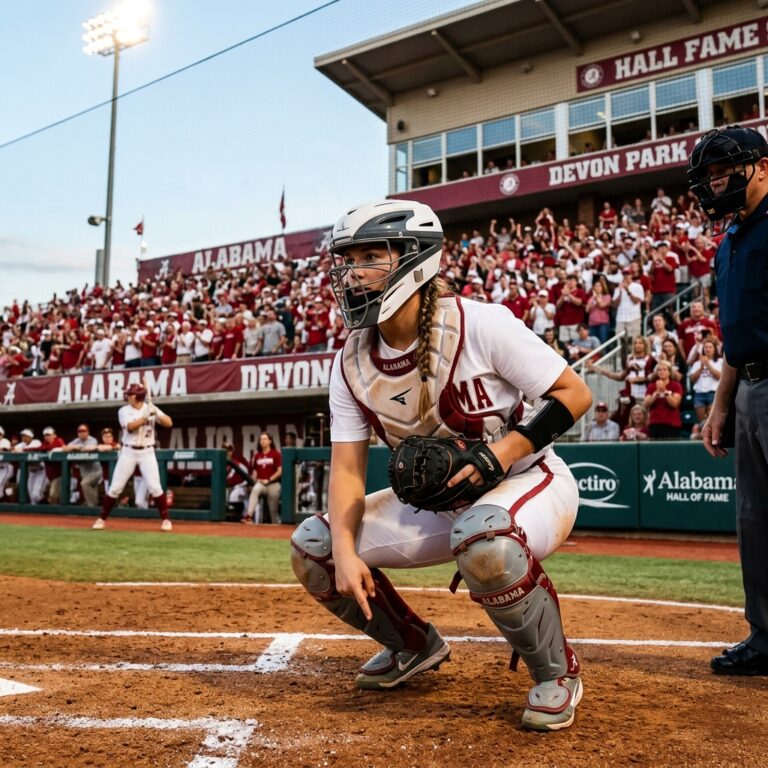
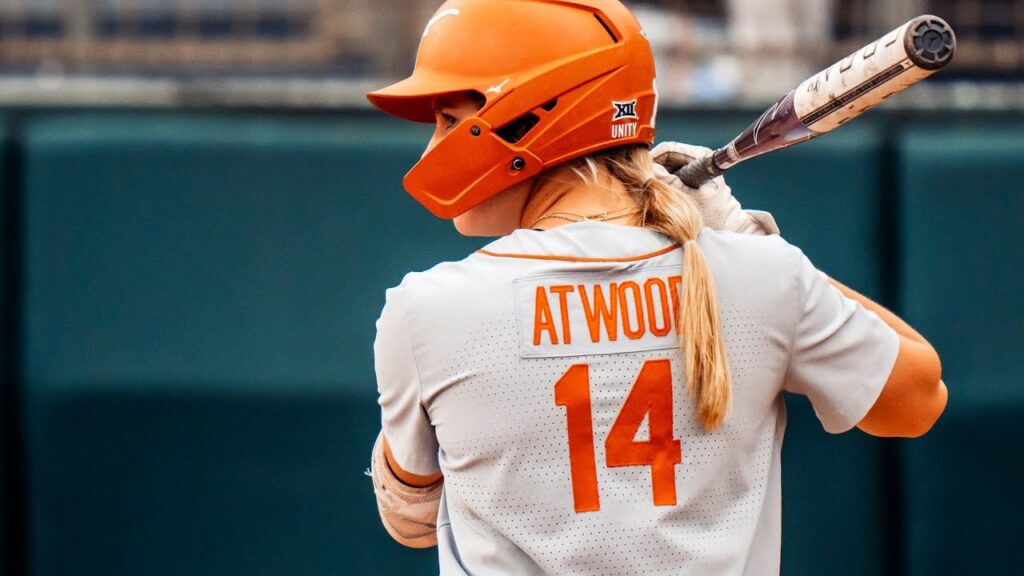
Behind the plate was Reese Atwood — the 2025 NFCA Catcher of the Year, one of the highest honors the National Fastpitch Coaches Association gives a college player at the position, and the No. 7 overall pick in the Athletes Unlimited Softball League draft. Teagan Kavan strode to the circle. Reese settled into her squat, put down a sign, and the game began.
Seventy-eight pitches later, it was done.
Complete game. Four hits. Zero runs. Two strikeouts, per the Washington Post. Thirteen flyouts and six groundouts. It was Kavan’s fourth career WCWS shutout — and every one of those 78 pitches started with a call from Atwood.
A shutout built on flyouts and groundouts does not happen by chance. Thirteen outs in the air and six on the ground means the battery found the right pitch in the right location, over and over, and trusted the defense to handle what came off the bat. Atwood calls those games. Kavan executes.
The offense did just enough. Kaiah Altmeyer jumped on the first pitch of her second-inning at-bat and lifted a two-run homer. Kayden Henry added a solo shot in the fifth. Viviana Martinez doubled to left center in the seventh for the insurance run. Four runs. Texas 4, Mississippi State 0.
The Longhorns are still alive.
What a catcher can learn from this
Strikeouts are exciting. But a catcher who calls a game that ends with 13 flyouts and 6 groundouts did something more useful — she got hitters to swing early, made every pitch count, and let the outfielders do their jobs.
That is pitch economy. The goal behind the plate is not to win every at-bat by yourself. It is to get the next out as cheaply as possible, preserve your pitcher’s arm, and keep the inning short.
The next time you set down a sign, think about what kind of out you are trying to get — not just fastball or curveball. A flyout on pitch two is worth more than a strikeout on pitch eight.
That is how a catcher keeps her pitcher on the mound in the seventh.
Sweat the gear and never fear.